

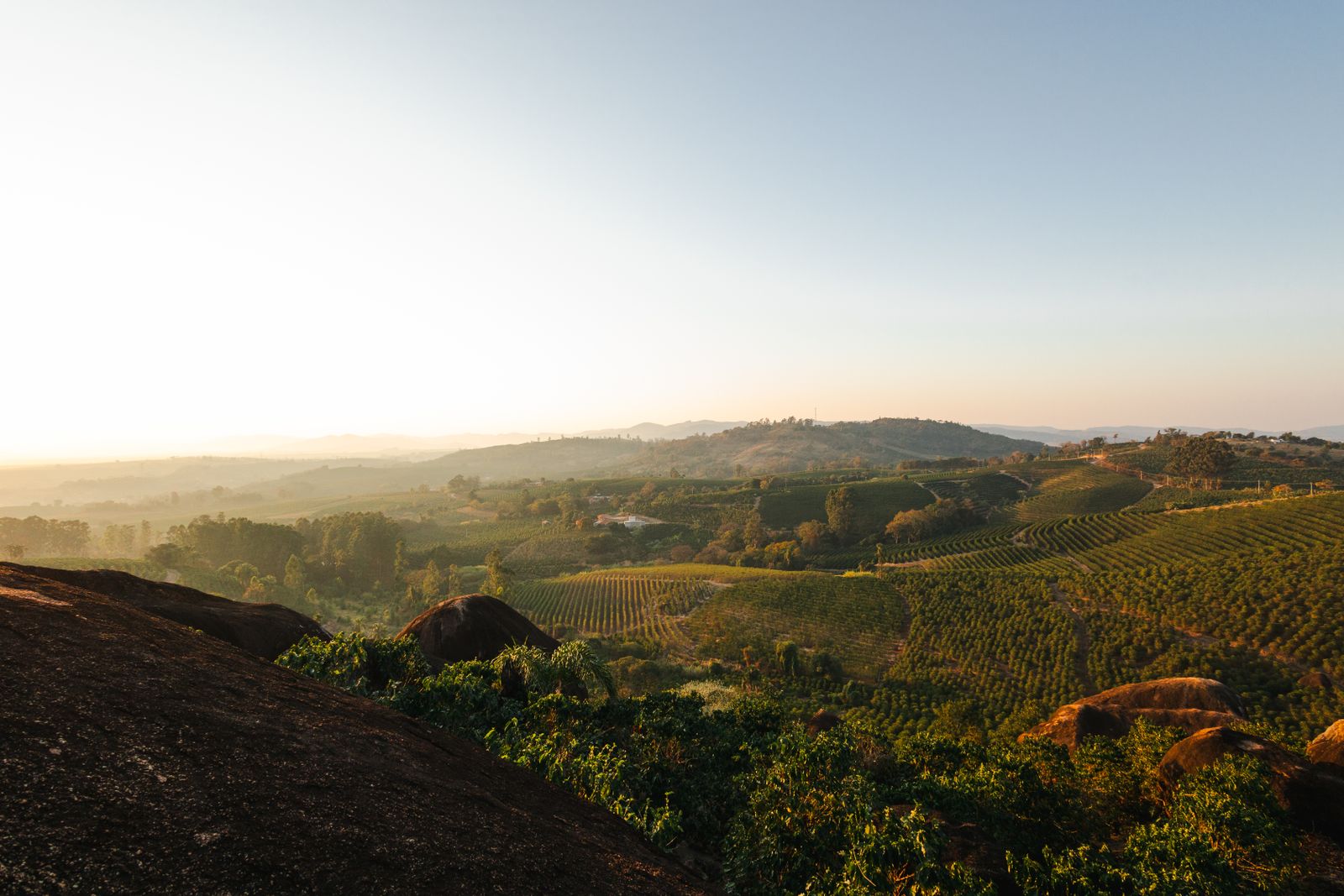

Coffee is Sweet
Menu
Sensory Architecture

Taste Navigator & Flavor Families

Just Starting

Coffee does not have to taste like bitter toast or charcoal. Start with comfort foods you already love (like dark chocolate, salted caramel, or fresh blueberries) and let us point you to beans that taste naturally sweet.

I Already Brew

Understand how processing methods and roast styles develop distinct kinds of sweetness. Dial in water temperature, grind size, and contact time to highlight sweet notes and avoid astringency.

I Want the Details

The organic chemistry of coffee flavor: volatile organic compound (VOC) profiles, Maillard pyrazines, fermentation esters, terpene alcohols, and terroir physics across global elevations.

Everyday Sensory Bridge

Already know a comfort food you love?

Select a food below. We point to single-origin beans that naturally develop that flavor profile through organic aroma chemistry.

Click any food above to explore matched coffee origins.

Taste Navigator

Everyday Comfort Food Bridges

You already know the foods you love. We connect everyday comfort tastes to specialty coffee origins through genuine aroma chemistry, with no pretentious tasting jargon.

Comfort Food Analogy

Dark Chocolate

Family: chocolate & nut

Tastes like biting into an artisanal 72% dark chocolate bar with toasted cocoa nibs, warm brownie crust, and zero sharp sourness.

Chemical Aroma Compounds & Science

Class: Alkylpyrazines & Strecker Degradation Aldehydes

2,3,5-TrimethylpyrazineTetramethylpyrazine2-MethylbutanalFurfural

Formed during higher-temperature Maillard reactions ($>195°C$) between amino acids (leucine, isoleucine) and reducing sugars, producing the exact roasted cocoa pyrazines found in chocolate conching.

Quick Guide: Just Starting

Comforting and forgiving: rich bittersweet cocoa with low acidity. Perfect for milk drinks or a cozy dark morning mug.

Brewing Dial-in: I Already Brew

Water at 90°C–92°C with a medium-coarse grind prevents extracting harsh polyphenols. French Press or flat-bottom dripper delivers maximum body.

Biochemical Analysis: I Want the Details

Maillard-derived alkylpyrazines dominate volatile profile. Wet-hulled (Giling Basah) and natural processing keep chlorogenic acid low and mouthfeel thick.

Recommended Origin Pairings for Dark Chocolate

These single-origin lots naturally develop this specific aroma profile:

Sensory Map

The Five Kinds of Sweetness

Specialty coffee sweetness is not one-dimensional white table sugar. Explore the five primary flavor families with tailor-made level depths.

Fruity Sweetness
Juicy berry, bright citrus, and lush stone fruit sweetness

Fruity Sweetness

Vibrant fruit sweetness closer to freshly squeezed fruit juice than to dark toast. Natural sun-dried lots and high-altitude washed East African beans shine here.

Key Aromas:Ethyl butyrate (Berry)beta-Damascenone (Apple/Rose)gamma-Decalactone (Peach)Limonene (Citrus)
Just Starting: Beginner Profile
Like fresh berry juice and chilled peach iced tea

If you dislike bitter, roasty, or ashy coffee, this is your home. These beans taste clean, bright, and genuinely sweet like fruit nectar.

Shelf Cue: Look for 'Natural Process', 'Light Roast', 'Berry', 'Stone Fruit', or origins like Ethiopia and Kenya.
I Already Brew: Extraction Dial-in
Method:V60 / Conical Pour-over or AeroPress
Water Temp:93°C–95°C (199°F–203°F)
Grind:Medium (resembling table salt)

Keep slurry warm with steady concentric pours. Aim for 2:45–3:15 total brew time at a 1:16 ratio to extract sweet fruit esters without astringency.

I Want the Details: Organic Chemistry
VOC Profile: High volatile ester concentrations (ethyl 2-methylbutyrate, hexyl acetate) and C13-norisoprenoids (beta-damascenone).
Organic Acids: Dominant malic (apple/stone-fruit), citric (lemon), and phosphoric (sparkling berry) acids with low quinic acid.
Roast Chemistry: Light-to-medium development (12%–14% DTR) halts before second crack, preserving volatile organic compounds and fruit sugars.
Terroir & Altitude: Grown at 1,600m–2,200m where cold highland nights slow maturation, concentrating sucrose and complex organic acids.
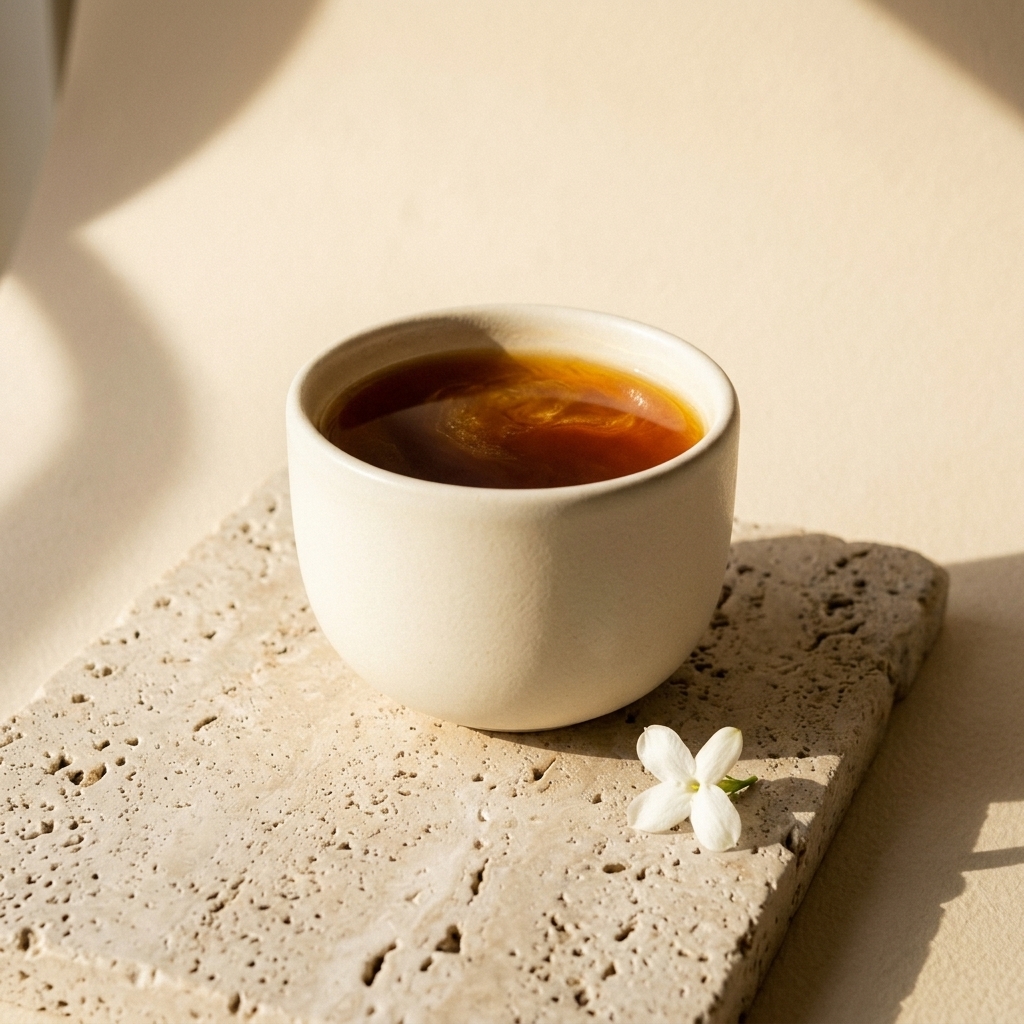
Floral Sweetness
Jasmine blossoms, bergamot citrus, and Earl Grey tea-like elegance

Floral Sweetness

Delicate, perfumed sweetness with floral aromatics and tea-like transparency. High-altitude washed Ethiopians, Boquete Geshas, and Andean micro-lots define this category.

Key Aromas:Linalool (Bergamot/Floral)Geraniol (Rose)alpha-Terpineol (Lilac)2-Phenylethanol (Honey blossom)
Just Starting: Beginner Profile
Like fine Earl Grey tea with jasmine and honey blossom

Delicate and silky: drinking a floral coffee feels like enjoying an elegant herbal infusion with a sweet, fragrant finish.

Shelf Cue: Look for 'Washed Yirgacheffe', 'Gesha', 'Bergamot', 'Jasmine', or 'White Floral' on the label.
I Already Brew: Extraction Dial-in
Method:Origami / Kalita Wave / Chemex
Water Temp:94°C–96°C (201°F–205°F)
Grind:Medium-fine

Use clean, soft water (50–70 ppm TDS). High temperature extracts delicate monoterpene florals; avoid heavy bypass.

I Want the Details: Organic Chemistry
VOC Profile: Dominated by monoterpene alcohols (linalool, geraniol, nerol) with olfactory detection thresholds as low as 6 parts per billion.
Organic Acids: High malic and citric acids with delicate succinic backbones giving a tea-like crisp finish.
Roast Chemistry: Fast, gentle roast profile preserving heat-sensitive terpenes from thermal rearrangement.
Terroir & Altitude: 1,800m–2,400m volcanic slopes with dense tree shading promoting high terpene synthase expression.
Chocolate & Nut Comfort
Bittersweet dark cocoa, toasted hazelnut, and milk chocolate velvet

Chocolate & Nut Comfort

The quintessential comforting coffee experience. Rich milk chocolate, toasted almonds, cocoa nibs, and hazelnut praline with low acidity.

Key Aromas:2,3,5-Trimethylpyrazine (Roasted cocoa)2-Ethyl-5-methylpyrazine (Hazelnut)2-Methylbutanal (Chocolate malt)Benzaldehyde (Almond)
Just Starting: Beginner Profile
Like hot cocoa, toasted nuts, and chocolate brownies

Low acidity, rich mouthfeel, and deep cocoa sweetness. The ultimate pairing for milk, espresso, or a comforting daily pot.

Shelf Cue: Look for 'Brazil Cerrado', 'Guatemala Antigua', 'Medium Roast', 'Chocolate', or 'Praline'.
I Already Brew: Extraction Dial-in
Method:French Press / Moka Pot / Espresso
Water Temp:90°C–92°C (194°F–198°F)
Grind:Coarse (French Press) or Fine (Espresso)

Slightly cooler water suppresses harsh bitter polyphenols while maximizing thick cocoa oils and sweet pyrazines.

I Want the Details: Organic Chemistry
VOC Profile: Dominated by alkylpyrazines, furans, and Strecker aldehydes synthesized through non-enzymatic browning.
Organic Acids: Low total titratable acidity; gentle quinic and lactic acid balance provides a round, velvety mouthfeel.
Roast Chemistry: Medium to Medium-Dark roast with extended caramelization phase ($160°C–205°C$) developing pyrazines and lipid emulsifiers.
Terroir & Altitude: 900m–1,400m plateaus (Cerrado Mineiro, Santa Ana) where warm daytime temperatures foster full body and low acidity.
Caramel & Honey
Warm butterscotch, spun golden toffee, and raw wildflower honey

Caramel & Honey

Deep brown sugar, melted caramel, and honeyed sweetness from natural caramelization and honey-style processing.

Key Aromas:Furaneol (Caramel toffee)Maltol (Toasted sugar)Sotolon (Maple / Brown sugar)Phenylacetic acid (Wild honey)
Just Starting: Beginner Profile
Like warm butterscotch, brown sugar syrup, and golden honey

Universally loved: balanced sweetness, smooth body, and zero sour bite. The most dependable everyday cup.

Shelf Cue: Look for 'Colombia Huila', 'Honey Process', 'Caramel', 'Brown Sugar', or 'Toffee'.
I Already Brew: Extraction Dial-in
Method:Clever Dripper / Flat-Bottom Pour-over / Drip
Water Temp:92°C–94°C (198°F–201°F)
Grind:Medium

A 1:16 ratio with standard 3-pour sequence yields optimal extraction yield (19%–21%) showcasing sweet furanones.

I Want the Details: Organic Chemistry
VOC Profile: Rich in cyclic furanones, maltol, and phenylacetate esters created during sucrose pyrolysis and honey mucilage drying.
Organic Acids: Balanced malic and citric acids with sweetness buffering sharpness, yielding a sweet cane juice finish.
Roast Chemistry: Medium roast with prolonged drying and Maillard phase maximizing sucrose breakdown into aromatic caramelans.
Terroir & Altitude: 1,300m–1,800m Andean valleys and volcanic highlands with rich volcanic soil and controlled sun drying.
Earthy & Warm Spice
Rich cedarwood, baking spices, dark molasses, and forest earth

Earthy & Warm Spice

Deep, heavy, and complex with warming cedar, clove, dark molasses, and sweet forest earth. Wet-hulled Sumatran beans are the benchmark.

Key Aromas:Eugenol (Clove / Warm spice)Guaiacol (Smoky cedar)2-Isobutyl-3-methoxypyrazine (Forest / Earth)4-Vinylguaiacol (Baking spice)
Just Starting: Beginner Profile
Like warming chai spice, dark molasses, and cedar forest

Full-bodied, heavy, and grounding with zero fruit sharpness. Perfect for dark roast fans and cold rainy mornings.

Shelf Cue: Look for 'Sumatra Mandheling', 'Wet-Hulled', 'Dark Roast', 'Cedar', or 'Baking Spice'.
I Already Brew: Extraction Dial-in
Method:French Press / Moka Pot / Aeropress Inverted
Water Temp:90°C–93°C (194°F–200°F)
Grind:Medium-coarse to coarse

Immersion brewing lets the dense oils and complex wood/spice compounds suspend in the cup for luxurious mouthfeel.

I Want the Details: Organic Chemistry
VOC Profile: Characterized by methoxypyrazines, alkylphenols (guaiacol, eugenol), and terpenes derived from wet-hulling processing.
Organic Acids: Very low citric/malic acidity; gentle acetic and quinic acid structure supporting a syrupy, heavy body.
Roast Chemistry: Medium-Dark to Dark roast profile. Pyrolysis degrades cellular walls, releasing bound essential oils and lignin aromatics.
Terroir & Altitude: Grown in mineral-rich volcanic soil around Lake Toba and Aceh; Giling Basah hulling at 30%–50% moisture creates unique microbial terroir.