Coffee is Sweet
Menu
Origin Profile

Guatemala

Guatemala in the cup

A short read

Taste it on the page first: notes, landscape, process, then how to spot the bag.

For people who already brew

Terroir, farmers, altitude, and a brew that fits this origin - plus how the process shapes the cup.

The origin guide

Producer story, harvest, variety, and process detail. Empty still means we will not guess a farm we cannot name.

What it is like

Often chocolate-sweet with spice or apple-like brightness depending on the region. A versatile bag if you want comfort with a little lift.

Antigua, Huehuetenango, Cobán and other highland regions

What to say at the cafe

A Guatemala - Antigua if I want chocolate, Huehuetenango if you have the brighter apple-caramel one.

Milk and serve

  • Black
  • Dairy
  • Hot or iced

In the cup

  • cocoa
  • brown spice
  • red apple
  • caramel
  • toasted almond

Medium body, smooth, with a cocoa finish - brighter in Huehue than in Antigua.

Sensory shape

sweetnesssparklebodyroastlayers
Relative to this catalog, not SCA scores.

Origin landscape

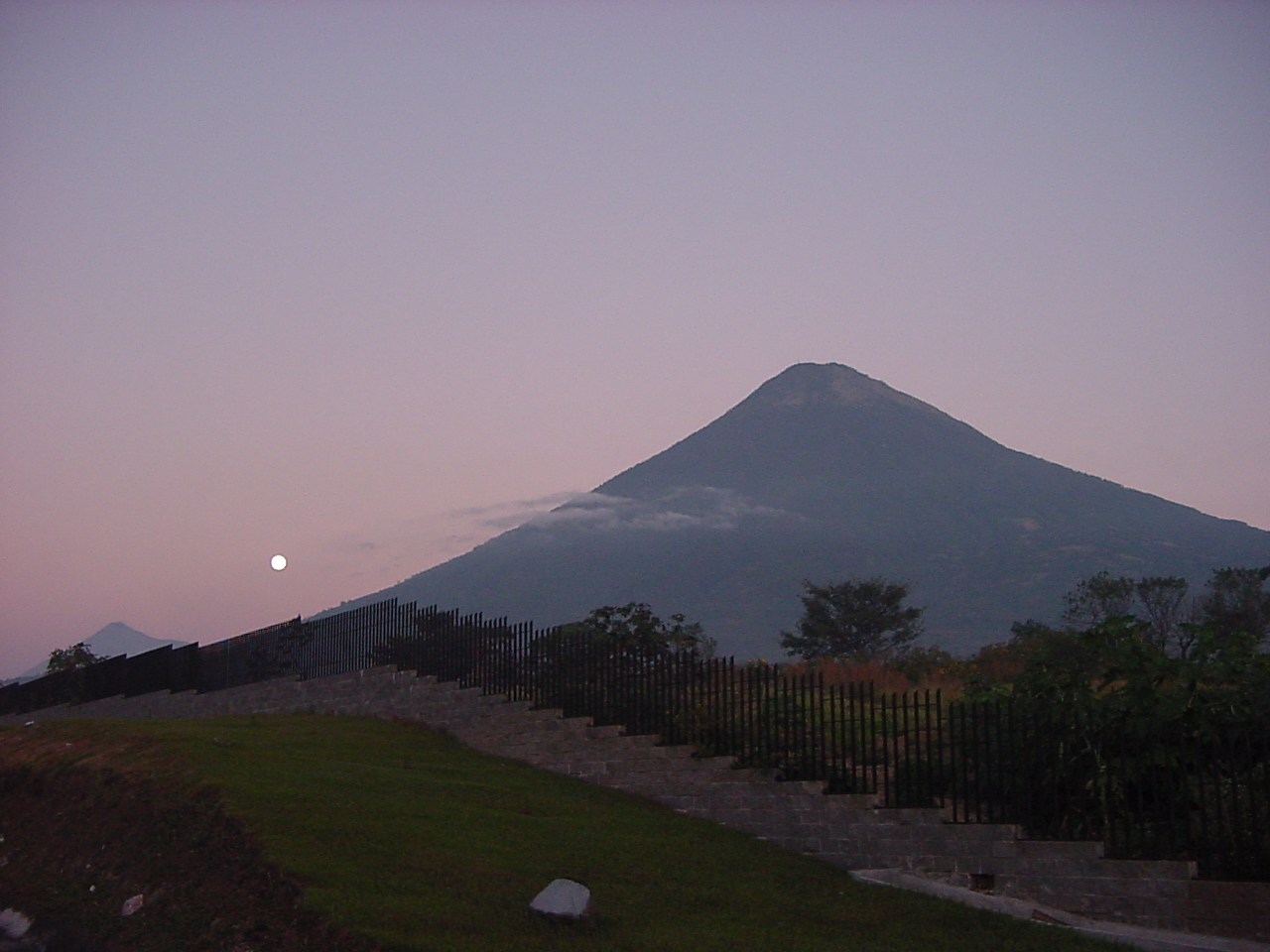
Volcán de Agua, the volcanic skyline that shapes Antigua and nearby coffee

Volcán de Agua, the volcanic skyline that shapes Antigua and nearby coffee

Wikimedia Commons · CC BY-SA 2.0

Volcanic soils, distinct wet and dry seasons, and altitude bands that Anacafe turned into eight official regions. Antigua’s rain shadow and mineral dust taste different from Cobán’s mist. That is terroir you can shop for without speaking Spanish mill slang.

Farmers and harvest

Shade coffee trees on Finca Piamonte in San Marcos, Guatemala

Shade coffee trees on Finca Piamonte in San Marcos, Guatemala

Wikimedia Commons · CC BY-SA 4.0

Who grows it

Estates in Antigua; smallholders and cooperatives in Huehuetenango.

Who grows it

Antigua still has named fincas with mill infrastructure. Huehue is more smallholder, with lots blended at a cooperative or a private mill. Pacamara and Gesha experiments sit on both models. A bag that only says “Guatemala SHB” is a density grade; a farm or municipio name is the guide-quality cue.

Process

Often washed; honey and natural microlots exist.

Process in detail

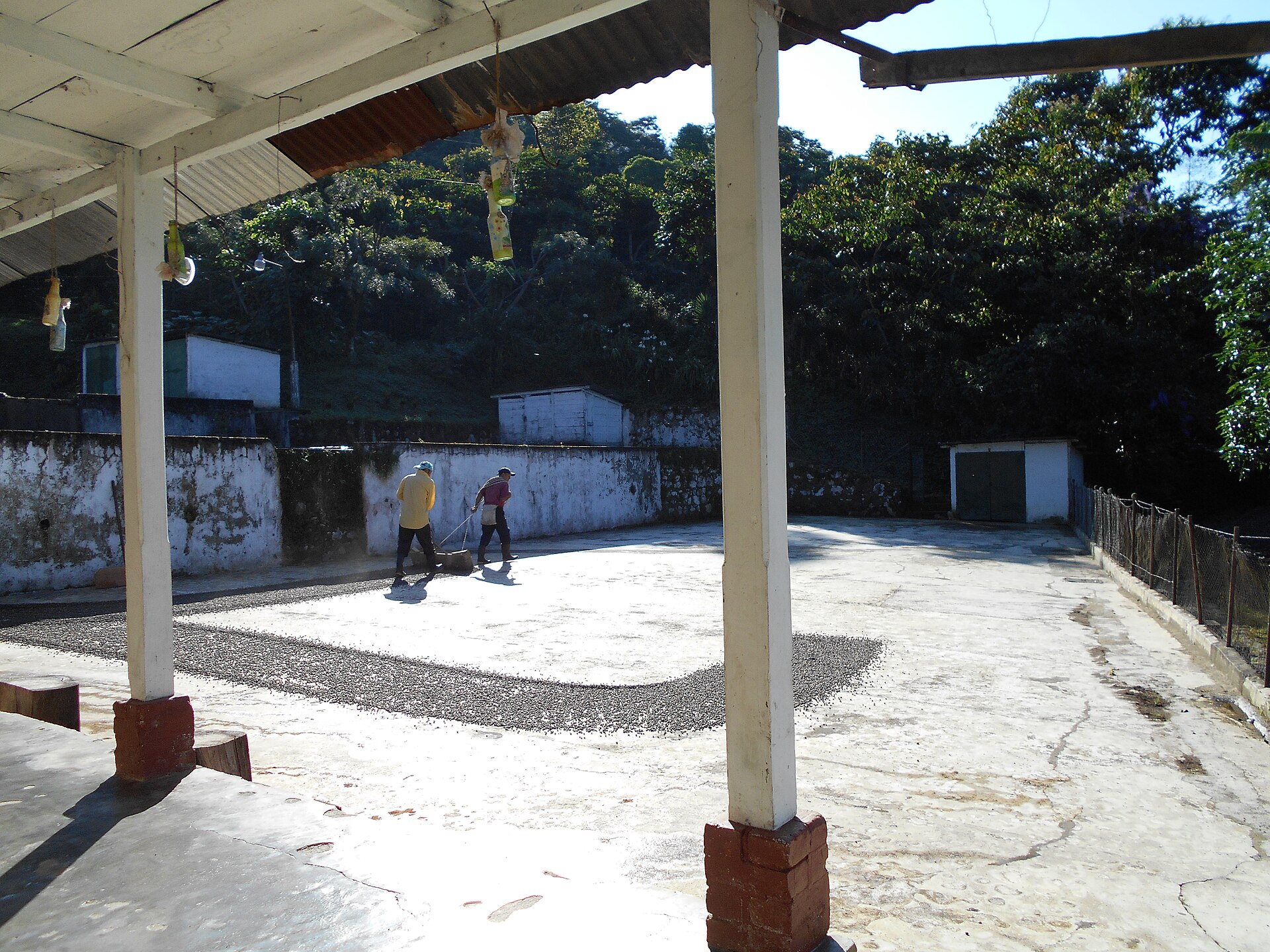
Classic Guatemalan specialty is washed: ripe cherry, pulped, fermented, dried on patios or in beneficio dryers. Antigua-style lots lean chocolate and spice from volcanic dust and a rain shadow. Huehuetenango, on the Mexican border and higher, cups crisper - apple, caramel, more acidity. Cobán’s cloud forest can mute sparkle toward cocoa.

How the process shapes the cup

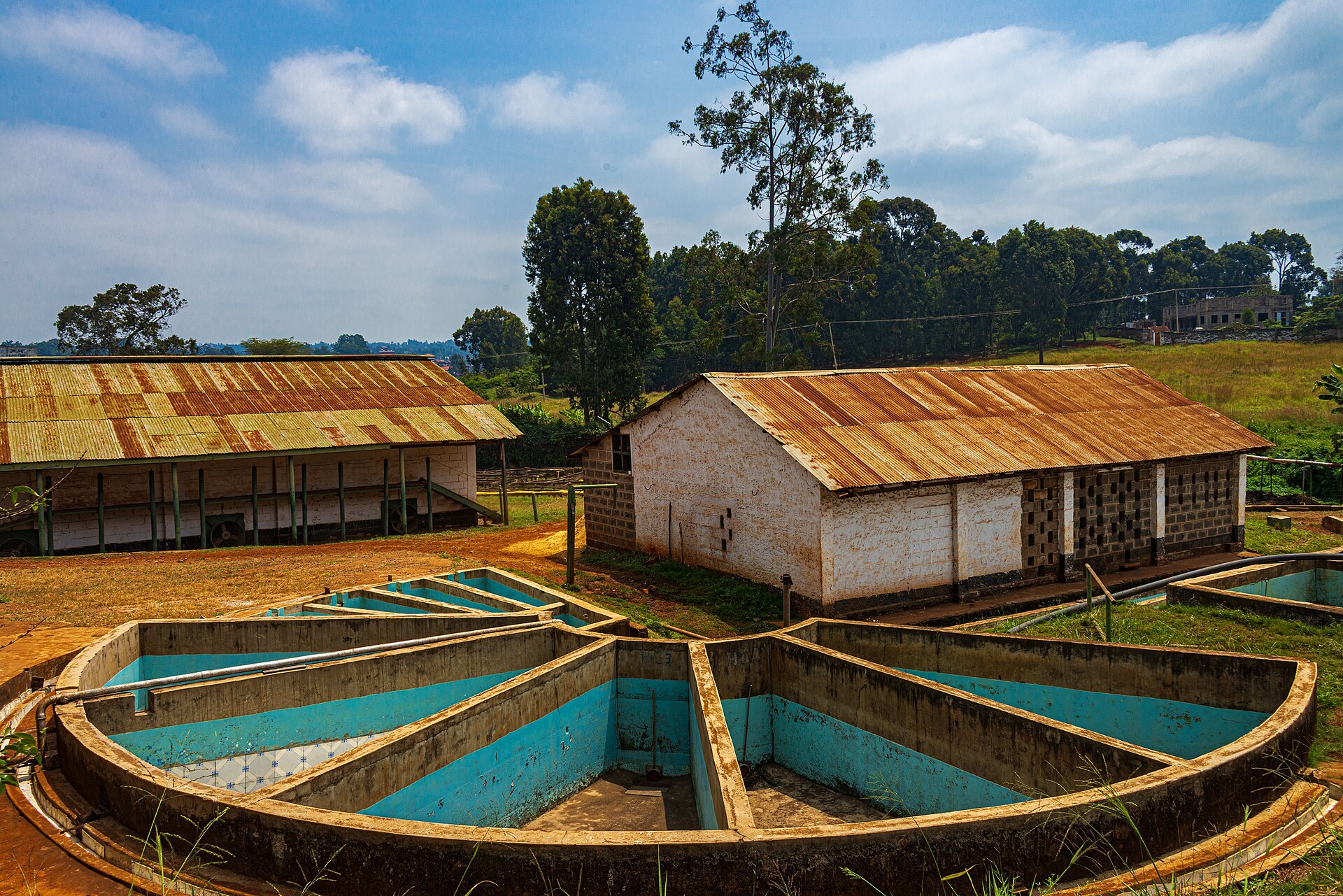
Coffee washing pits at a Kenyan estate, where mucilage is rinsed from parchment

Daniel Case / Wikimedia Commons · CC BY-SA 4.0

Washed

Washed

Skin and fruit come off soon after picking. The seed dries in parchment, so the cup stays clean and bright.

Clarity, citrus or floral sparkle, a lighter body than naturals from the same farm.

Ripe cherry is pulped within hours, then fermented in tanks or channels until the sticky mucilage lets go - often 12–36 hours, longer in cool highlands. Kenya adds a second clean-water soak after the wash. Parchment then dries on raised beds or patios to about 10–12% moisture. World Barista Championship routines treat this as the process that lets variety and altitude speak without jammy fruit from the skin.

The story

Guatemala’s volcanic chain is the postcard: three cones over Antigua, shade trees, and a beneficio in the valley. The quieter story is Huehuetenango, far from the tourist volcanoes, where dry winds from the north let washed coffee dry clean at high altitude. Shop the region word. Antigua for comfort; Huehue if you want the apple lift.

Brew

Filter or espresso

Filter or espresso. Medium roast keeps chocolate; lighter Huehue lots deserve a pour-over.

How to shop for it

Look for Guatemala, region name (Antigua or Huehuetenango), chocolate or apple-caramel.

On the supermarket shelf

Guatemala, region name (Antigua or Huehuetenango), chocolate or apple-caramel. SHB is a density grade; a region name is the better cue.

How to read a bag →

Stomach comfort

Gentler sparkle - a rounder cup for many stomachs.

Sparkle is not the same as stomach feel →

Species

arabica

Altitude

Strictly Hard Bean lots are denser - often 1,350–2,000m

Altitude

SHB (Strictly Hard Bean) means grown at 1,350m and above. Antigua farms often sit 1,500–1,700m in the valley of Agua, Fuego, and Acatenango. Huehuetenango lots can reach 1,700–2,000m. Density is why these beans roast evenly and why supermarket “Guatemala” can still taste structured.

Varieties

Bourbon, Caturra, Catuaí; Pacamara on microlots

Varieties

Bourbon and Caturra built the chocolate-spice profile. Pacamara (Pacas × Maragogipe) shows up as a bigger-bean, floral-spice microlot. Anacafe’s regional map - Antigua, Huehue, Cobán, Atitlán, Fraijanes, San Marcos, Acatenango, Ocosito - is more useful than a generic country blend.

Harvest

Main harvest roughly December–March, earlier at lower farms, later up high.

Harvest calendar

  1. J
  2. F
  3. M
  4. A
  5. M
  6. J
  7. J
  8. A
  9. S
  10. O
  11. N
  12. D

Northern harvest window. We cannot call a bag fresh without a roast date.

Compare with Another Origin