Coffee is Sweet
Menu
Origin Profile

Honduras

Honduras in the cup

A short read

Taste it on the page first: notes, landscape, process, then how to spot the bag.

For people who already brew

Terroir, farmers, altitude, and a brew that fits this origin - plus how the process shapes the cup.

The origin guide

Producer story, harvest, variety, and process detail. Empty still means we will not guess a farm we cannot name.

What it is like

Sweet and balanced, with soft citrus and a floral background. A middle path between chocolate comfort and fruit.

Highlands such as Copán, Marcala (La Paz), Santa Bárbara, and Ocotepeque

What to say at the cafe

A washed Honduras - Marcala, Copán, or Santa Bárbara if you have a region - sweet citrus, not too dark.

Milk and serve

  • Black
  • Dairy
  • Hot or iced

In the cup

  • cane sugar
  • orange blossom
  • citrus zest
  • milk chocolate
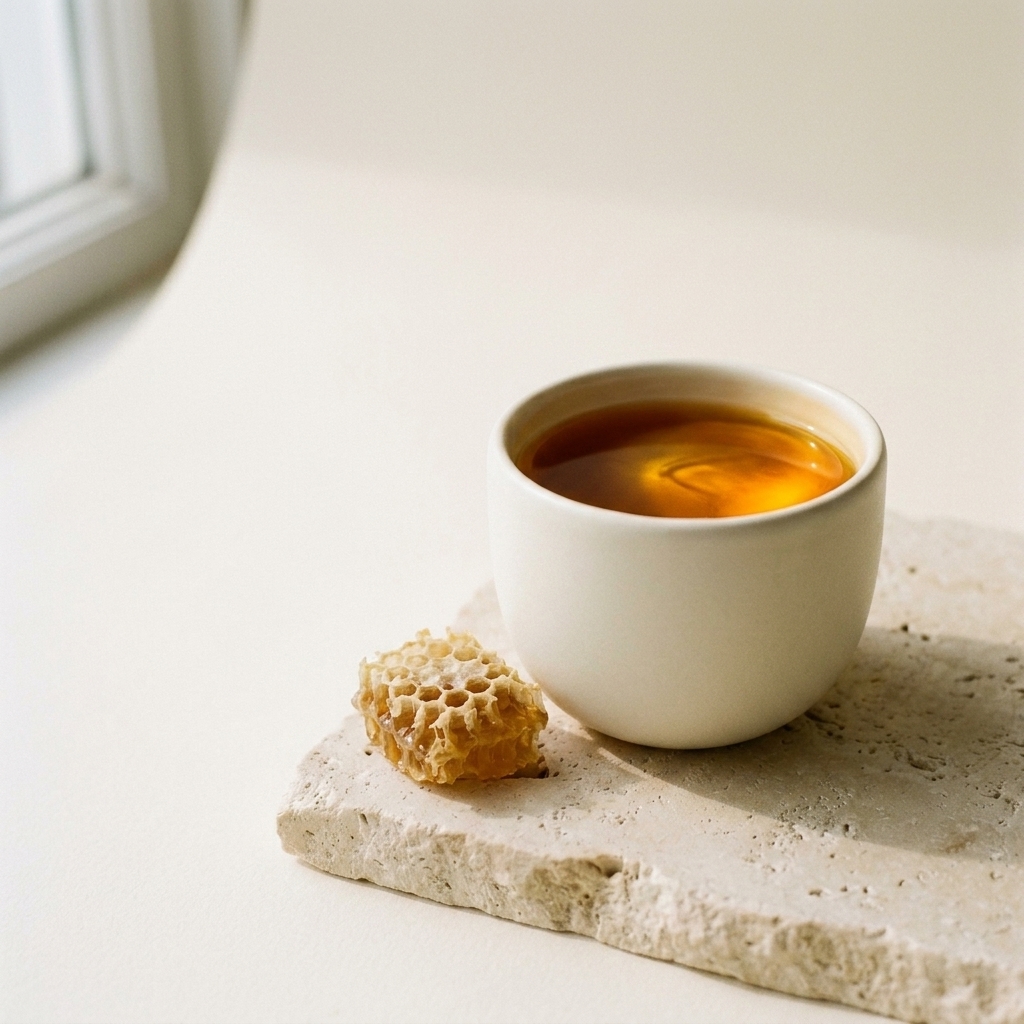
  • honey

Balanced medium body - sweet first, floral on the cool-down.

Sensory shape

sweetnesssparklebodyroastlayers
Relative to this catalog, not SCA scores.

Natural sweetness

Origin landscape

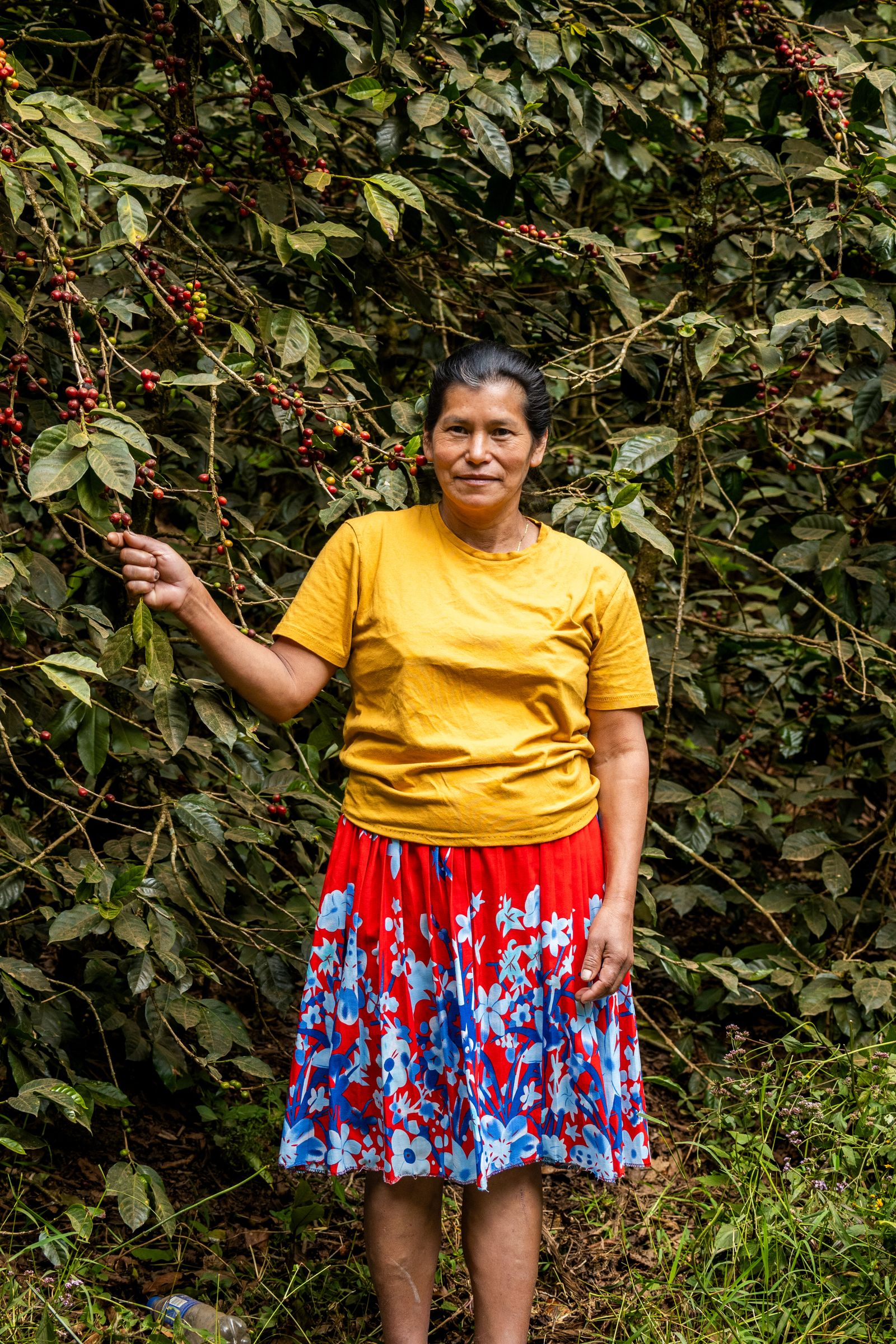
Harvesting coffee cherries in a forested Honduran plot

Harvesting coffee cherries in a forested Honduran plot

Irvin David / Pexels · Pexels License

Interior highlands with a wet-dry calendar, limestone and volcanic mixes depending on department. Copán’s forested plots and Marcala’s altitude are different rooms in the same house. Neither is a beach; both are mountains.

Farmers and harvest

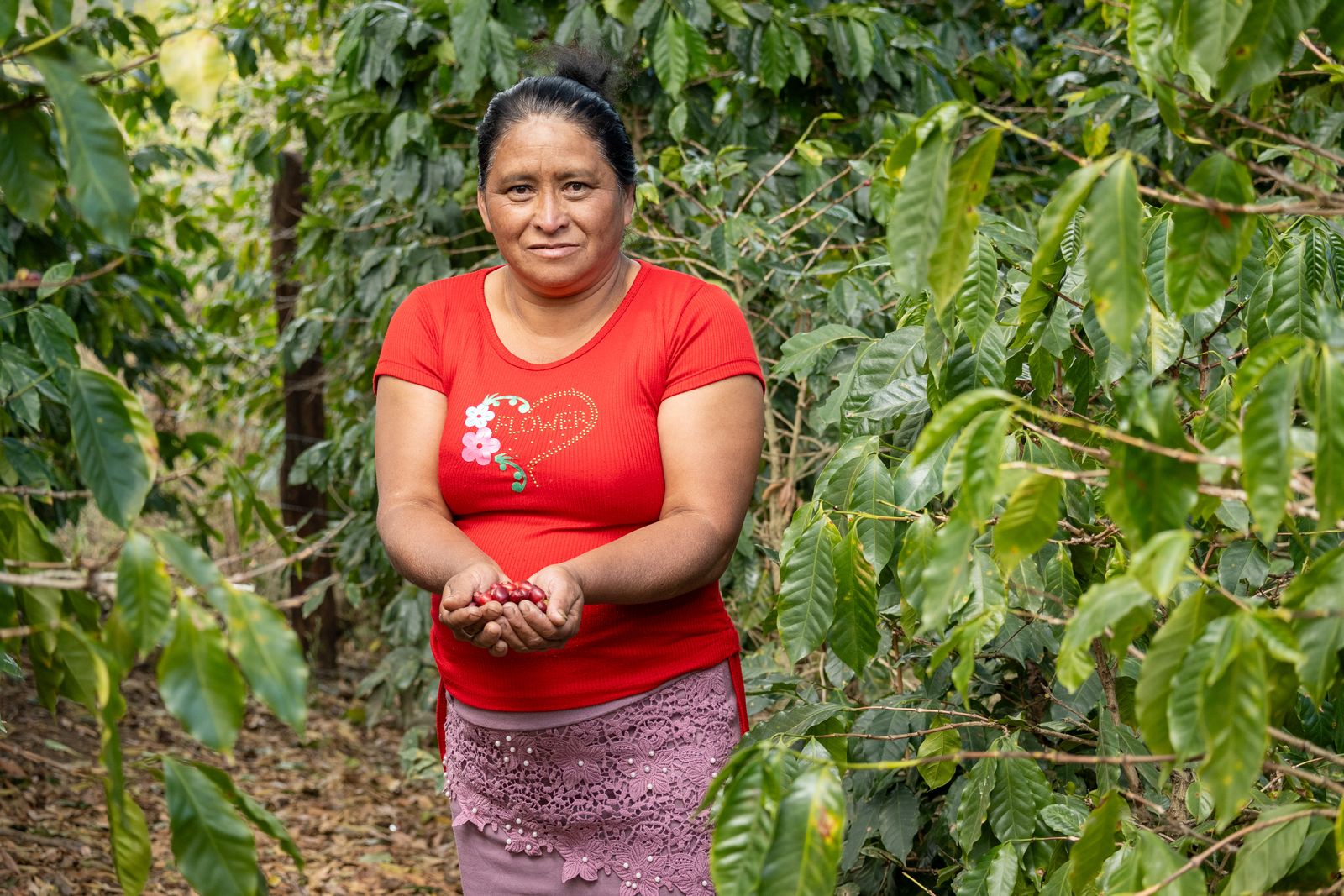
A picker holding ripe coffee cherries in a Honduran plantation

A picker holding ripe coffee cherries in a Honduran plantation

Irvin David / Pexels · Pexels License

Who grows it

Smallholders and multi-farm families; Marcala and Copán names on better bags.

Who grows it

Many lots are cooperative blends. The guide-quality bags name a producer or a mill in Copán, Marcala, Ocotepeque, or Santa Bárbara. Marysabel Caballero’s lineage (coffee since 1907, mule trains to El Salvador) is the story championship roasters tell; your supermarket bag may only say Honduras - still this country’s washed sweet-citrus baseline.

Process

Often washed; honey and experimental lots on microlots.

Process in detail

Washed processing is the Honduran specialty default: cherry to beneficio, ferment, wash, dry. Marcala has a denomination of origin. Santa Bárbara and Copán lots can show citrus and florals that surprise people who still think “Central America equals chocolate.” Honey Pacamara and Gesha from producers such as Marysabel Caballero and Moisés Herrera (El Puente) are the competition face of the country.

How the process shapes the cup

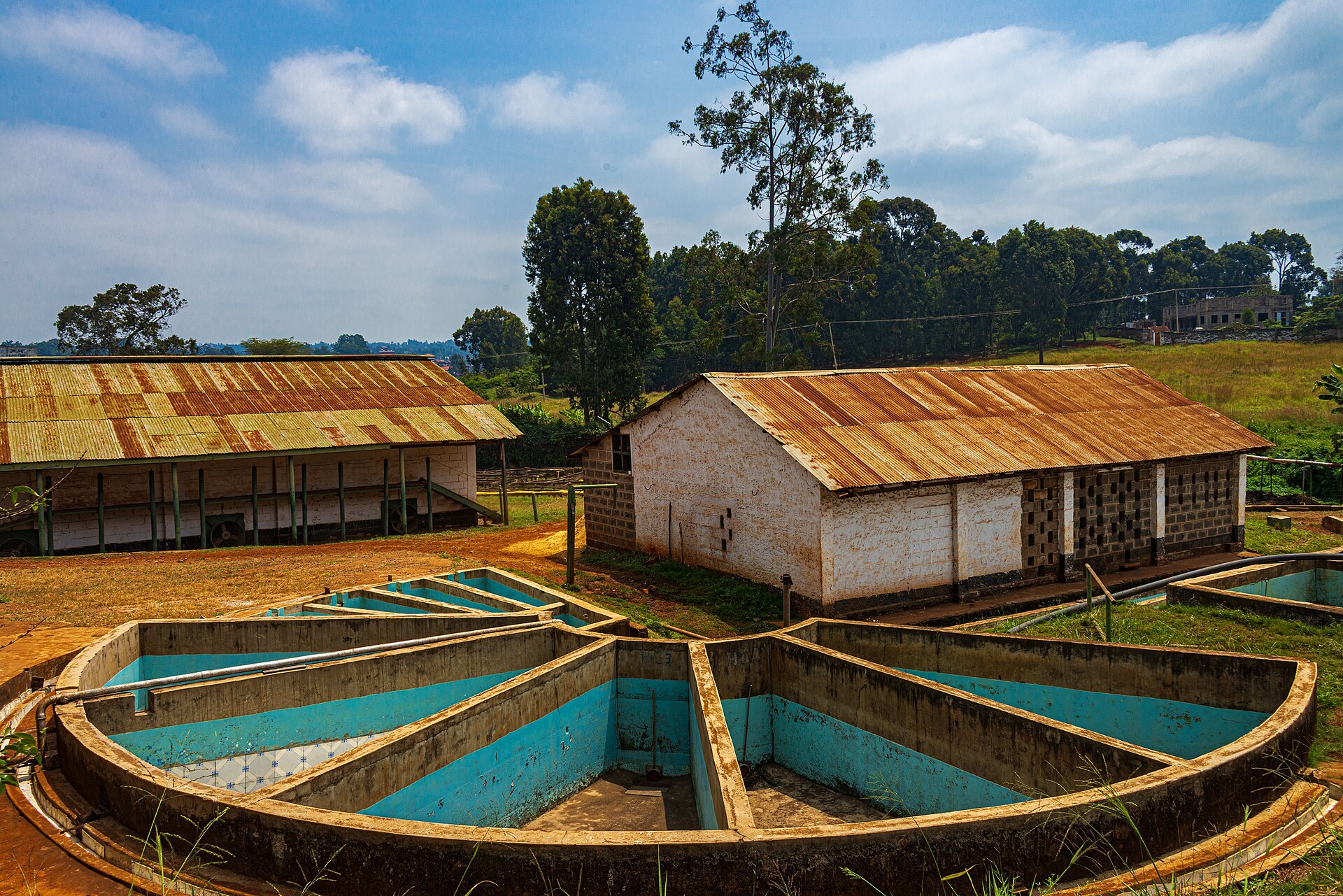
Coffee washing pits at a Kenyan estate, where mucilage is rinsed from parchment

Daniel Case / Wikimedia Commons · CC BY-SA 4.0

Washed

Washed

Skin and fruit come off soon after picking. The seed dries in parchment, so the cup stays clean and bright.

Clarity, citrus or floral sparkle, a lighter body than naturals from the same farm.

Ripe cherry is pulped within hours, then fermented in tanks or channels until the sticky mucilage lets go - often 12–36 hours, longer in cool highlands. Kenya adds a second clean-water soak after the wash. Parchment then dries on raised beds or patios to about 10–12% moisture. World Barista Championship routines treat this as the process that lets variety and altitude speak without jammy fruit from the skin.
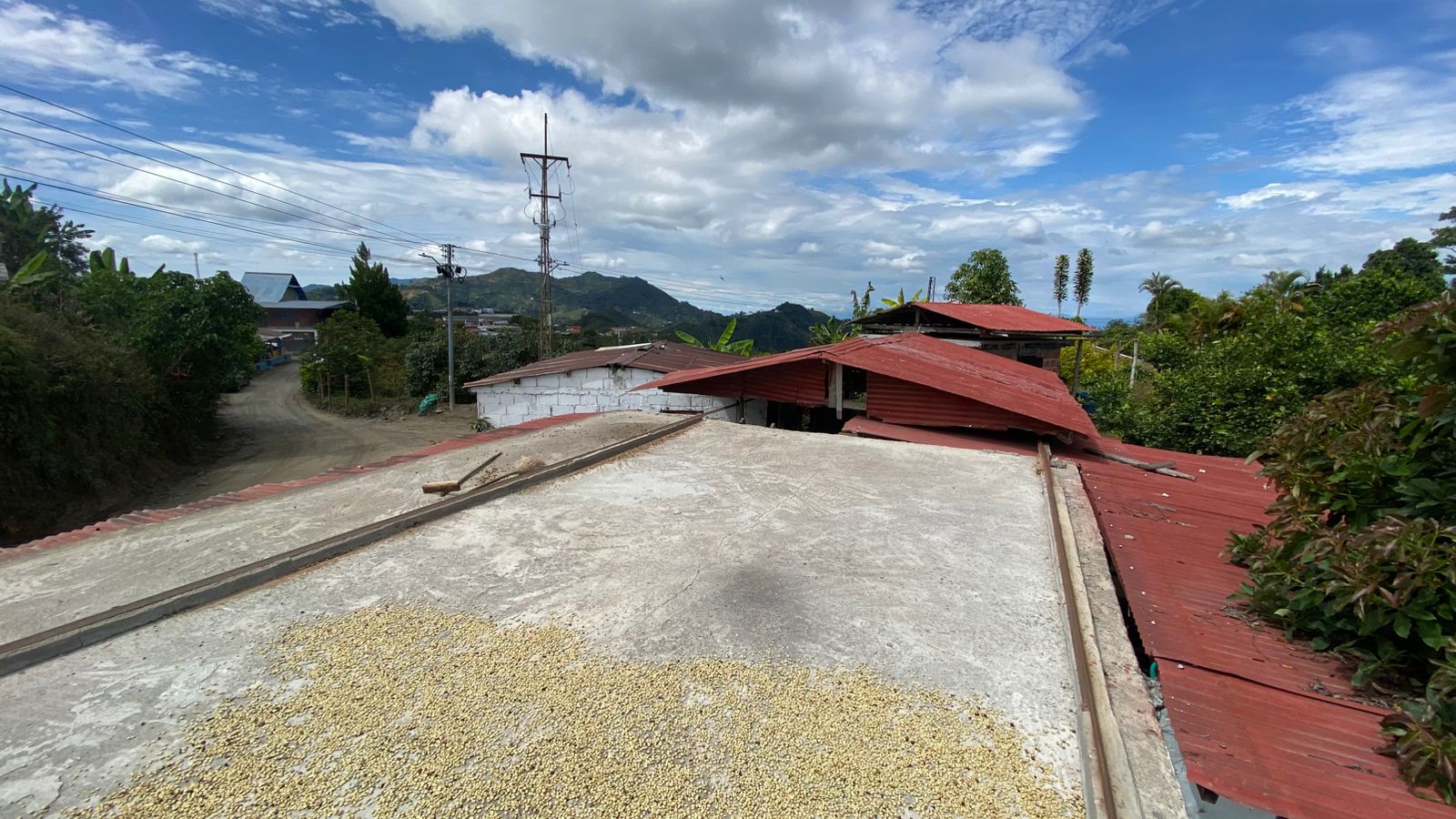
Raised drying beds (helda) used for coffee parchment in Colombia

JPDAFT / Wikimedia Commons · CC0

Honey

Honey

Skin comes off, but sticky mucilage stays on while the seed dries. Sweetness without full natural funk.

Syrupy body, brown-sugar or stone-fruit sweetness, more clarity than a natural.

After pulping, producers leave yellow, red, or black honey - names for how much mucilage remains and how long it dries in shade or sun. Costa Rica and El Salvador made the method famous; Ecuador and Colombia use it on Sidra, Pink Bourbon, and Pacamara lots. Less water than a full wash, more control than a natural. The cup sits between washed sparkle and natural jam.

The story

Honduras became the largest Central American producer by volume, then spent two decades proving it could also be specialty. Marcala’s DO and families like the Caballero-Herrera network (dozens of farms, many cultivars) are why importers now treat Honduras as a destination, not a filler. A washed Santa Bárbara is the everyday version: citrus-honey, not a Gesha auction.

Brew

Filter or espresso

Filter for citrus-floral lots; espresso if the roast is medium and the bag reads chocolate-honey.

How to shop for it

Look for Honduras, washed, citrus or sweet. Marcala, Copán, or Santa Bárbara if listed.

On the supermarket shelf

Honduras, washed, citrus or sweet. Marcala, Copán, or Santa Bárbara if listed.

How to read a bag →

Stomach comfort

Gentler sparkle - a rounder cup for many stomachs.

Sparkle is not the same as stomach feel →

Species

arabica

Altitude

Highland lots - often 1,200–1,700m

Altitude

IHCAFE’s high-grown lots sit roughly 1,200–1,700m. Marcala and Santa Bárbara at the upper end cup brighter; lower farms lean more caramel. That band is similar to many Colombian lots, which is why Honduras can substitute in a tasting flight.

Varieties

Catuai, Caturra, Pacas, IHCAFE 90; Pacamara and Gesha on microlots

Varieties

Volume lots are Catuai, Caturra, Pacas, and IHCAFE selections. Pacamara and Gesha from Marcala-area farms are the lots Onyx-style menus chase. Lempira and Parainema appear as rust-resistant options - useful on the farm, milder in the cup.

Harvest

Main harvest roughly November–April.

Harvest calendar

  1. J
  2. F
  3. M
  4. A
  5. M
  6. J
  7. J
  8. A
  9. S
  10. O
  11. N
  12. D

Often arriving at shops now. One harvest window. We cannot call a bag fresh without a roast date.

Compare with Another Origin