Coffee is Sweet
Menu
Origin Profile

Ecuador

Ecuador in the cup

A short read

Taste it on the page first: notes, landscape, process, then how to spot the bag.

For people who already brew

Terroir, farmers, altitude, and a brew that fits this origin - plus how the process shapes the cup.

The origin guide

Producer story, harvest, variety, and process detail. Empty still means we will not guess a farm we cannot name.

What it is like

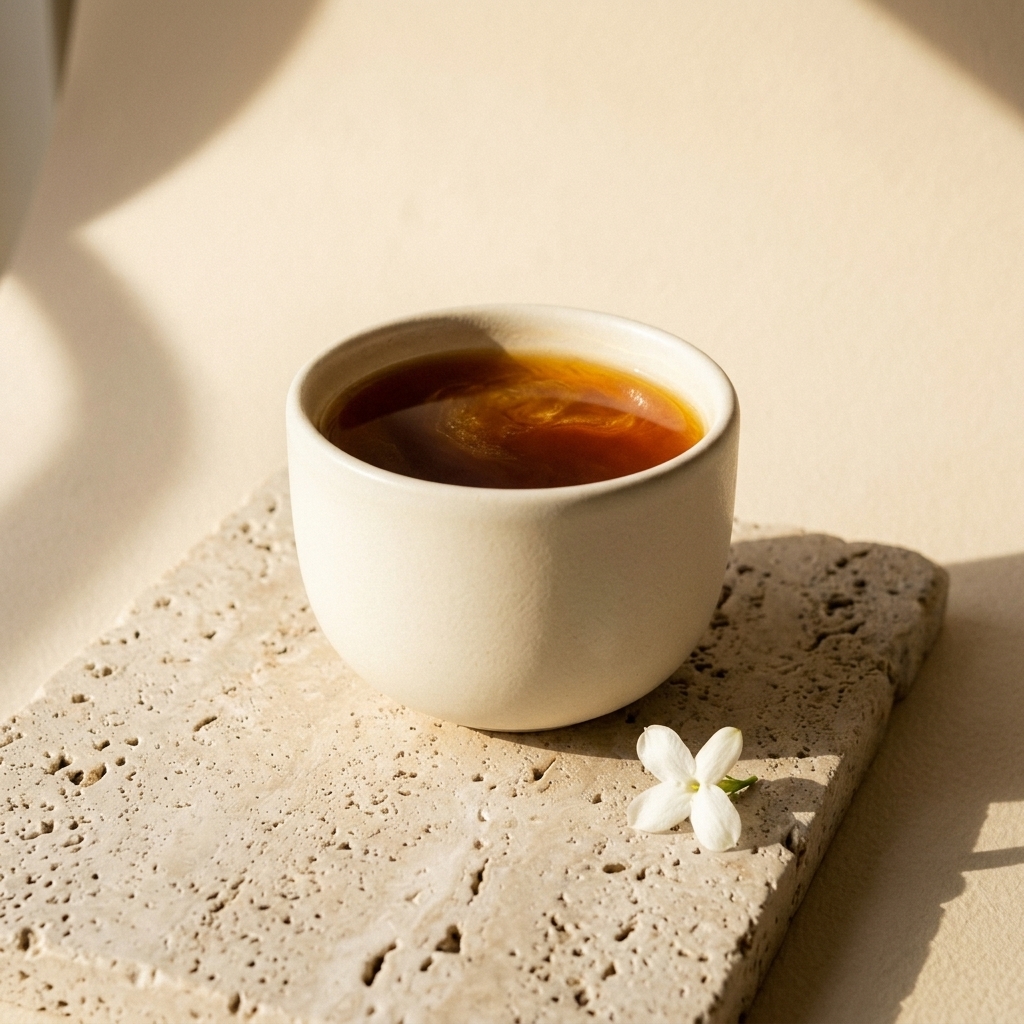
Sweet and medium-bodied, with stone fruit and chocolate. Some heirloom lots (Sidra) add rose, honey, and apricot.

Loja, Pichincha, and volcanic highlands

What to say at the cafe

An Ecuador, Loja or Sidra if you have it, light roast, black - honeyed stone fruit.

Milk and serve

  • Black
  • Dairy
  • Hot or iced

In the cup

  • honey
  • apricot
  • rose
  • cocoa nib
  • cane sugar

Medium, syrupy on honey lots; tea-floral when washed.

Sensory shape

sweetnesssparklebodyroastlayers
Relative to this catalog, not SCA scores.

Natural sweetness

Origin landscape

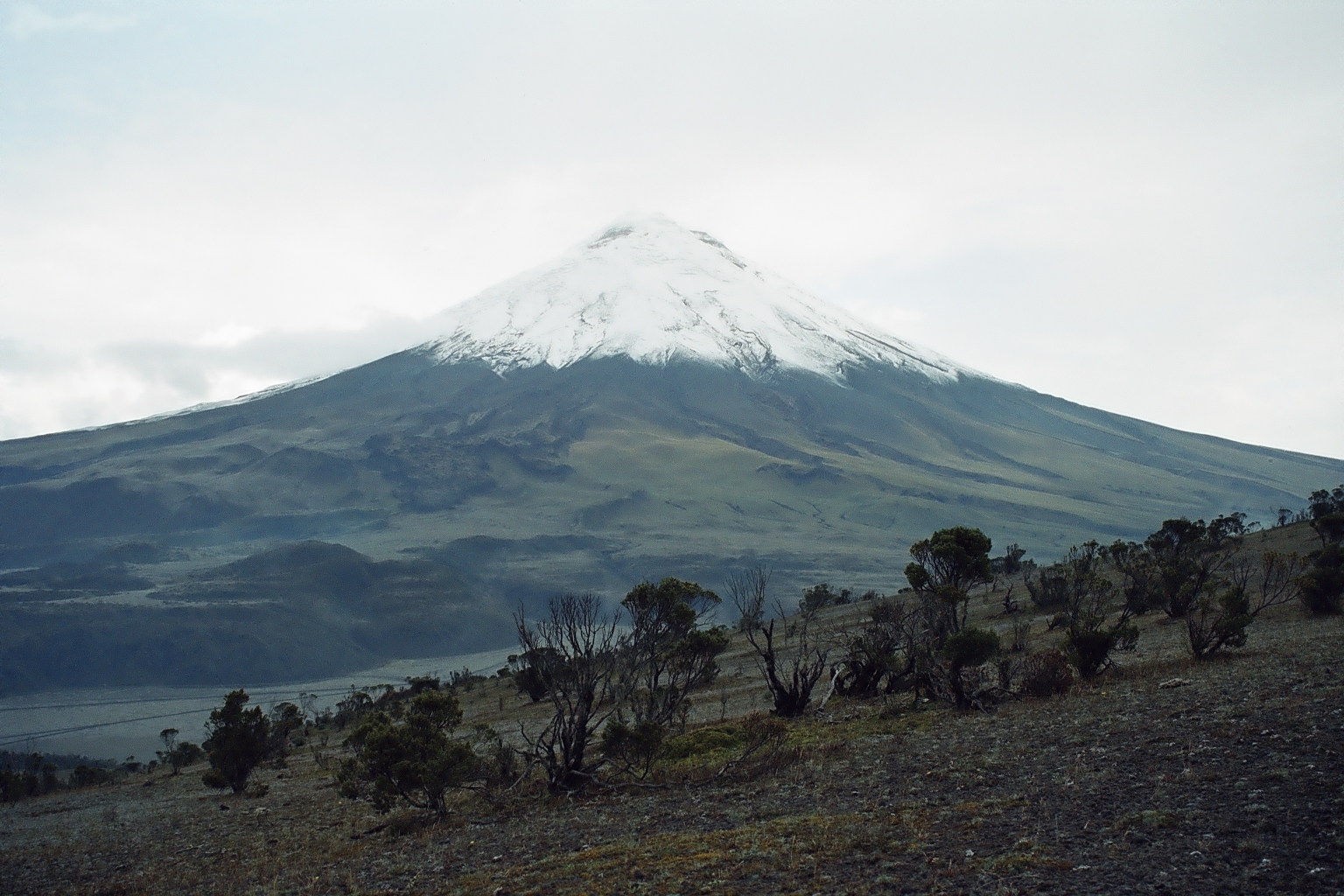
Cotopaxi, a volcanic marker of Ecuador’s highland terroir

Cotopaxi, a volcanic marker of Ecuador’s highland terroir

Wikimedia Commons · Public domain

Andes plus equator: intense sun, cool nights, and volcanoes (Cotopaxi is the postcard). Loja in the south is drier and known for sweetness; Pichincha nearer Quito is greener. Both are high enough for floral genetics to ripen slowly.

Farmers and harvest

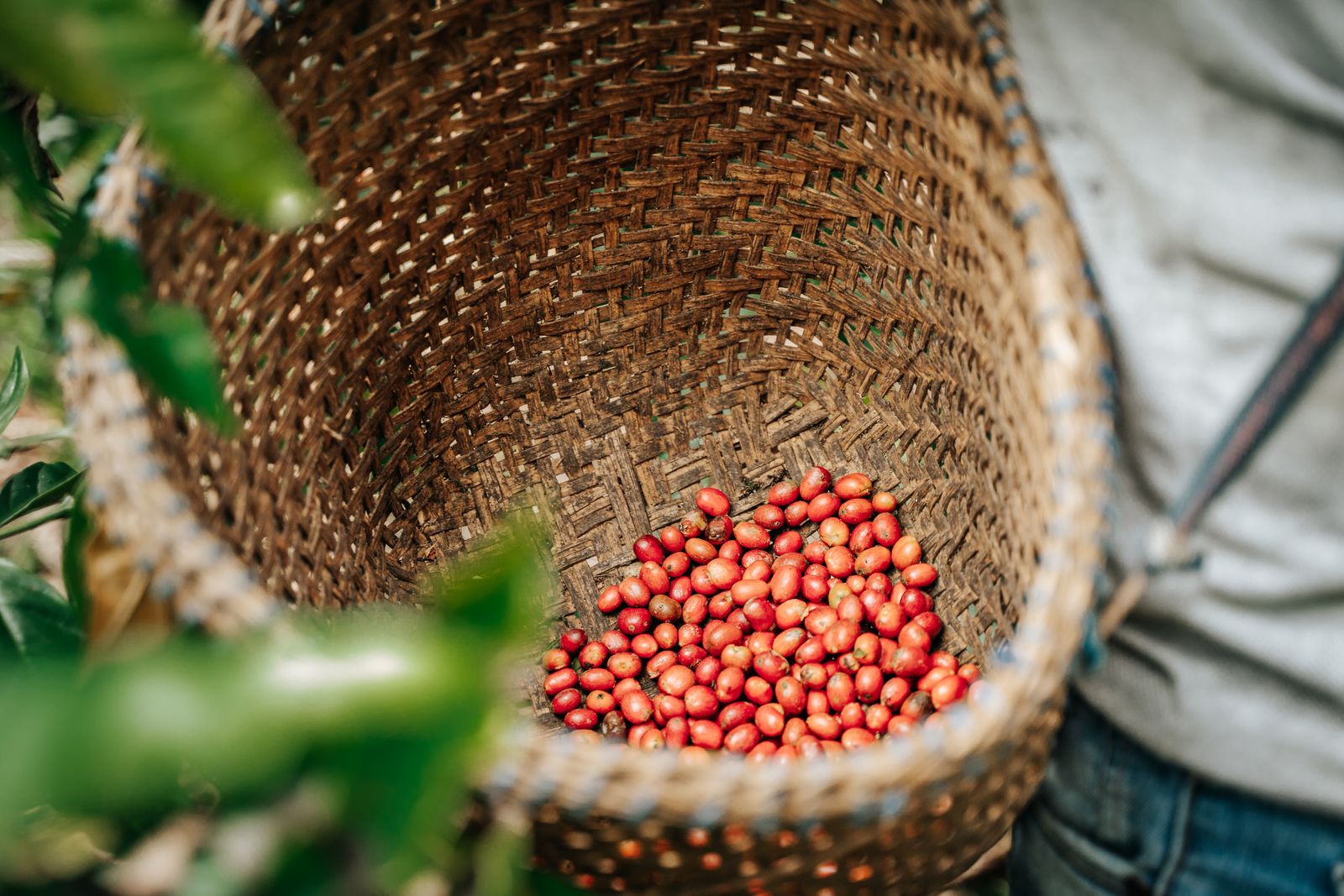
Ripe coffee cherries in a harvest bag in Napo, Ecuador

Ripe coffee cherries in a harvest bag in Napo, Ecuador

Maik Kleinert / Pexels · Pexels License

Who grows it

Family farms and small mills in Loja and the volcanic sierra.

Who grows it

Look for a finca name in Loja or a mill that separates Sidra from Typica. Producers here often process on-site (honey beds under plastic) rather than delivering to a giant cooperative. That mill-level control is why process varies bag to bag - always read washed vs honey.

Process

Washed or honey - read the bag.

Process in detail

Loja and Pichincha mills wash for clarity or leave mucilage for honey lots that taste like apricot nectar. Sidra and Typica Mejorada are often honey-processed because the genetics already run floral; the mucilage amplifies that without turning the cup into a natural jam. Experimental anaerobic appears on competition menus, not on every grocery bag.

How the process shapes the cup

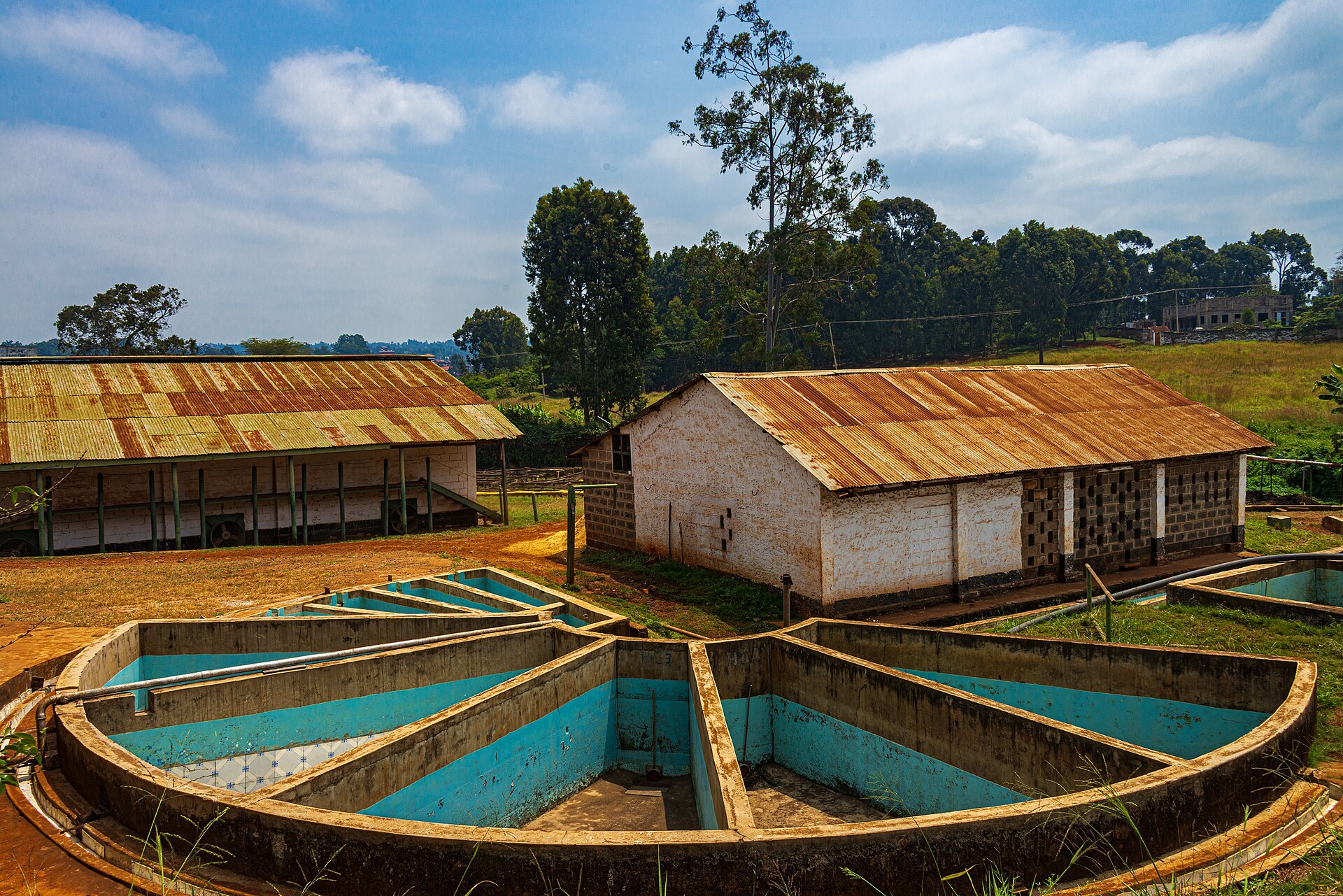
Coffee washing pits at a Kenyan estate, where mucilage is rinsed from parchment

Daniel Case / Wikimedia Commons · CC BY-SA 4.0

Washed

Washed

Skin and fruit come off soon after picking. The seed dries in parchment, so the cup stays clean and bright.

Clarity, citrus or floral sparkle, a lighter body than naturals from the same farm.

Ripe cherry is pulped within hours, then fermented in tanks or channels until the sticky mucilage lets go - often 12–36 hours, longer in cool highlands. Kenya adds a second clean-water soak after the wash. Parchment then dries on raised beds or patios to about 10–12% moisture. World Barista Championship routines treat this as the process that lets variety and altitude speak without jammy fruit from the skin.
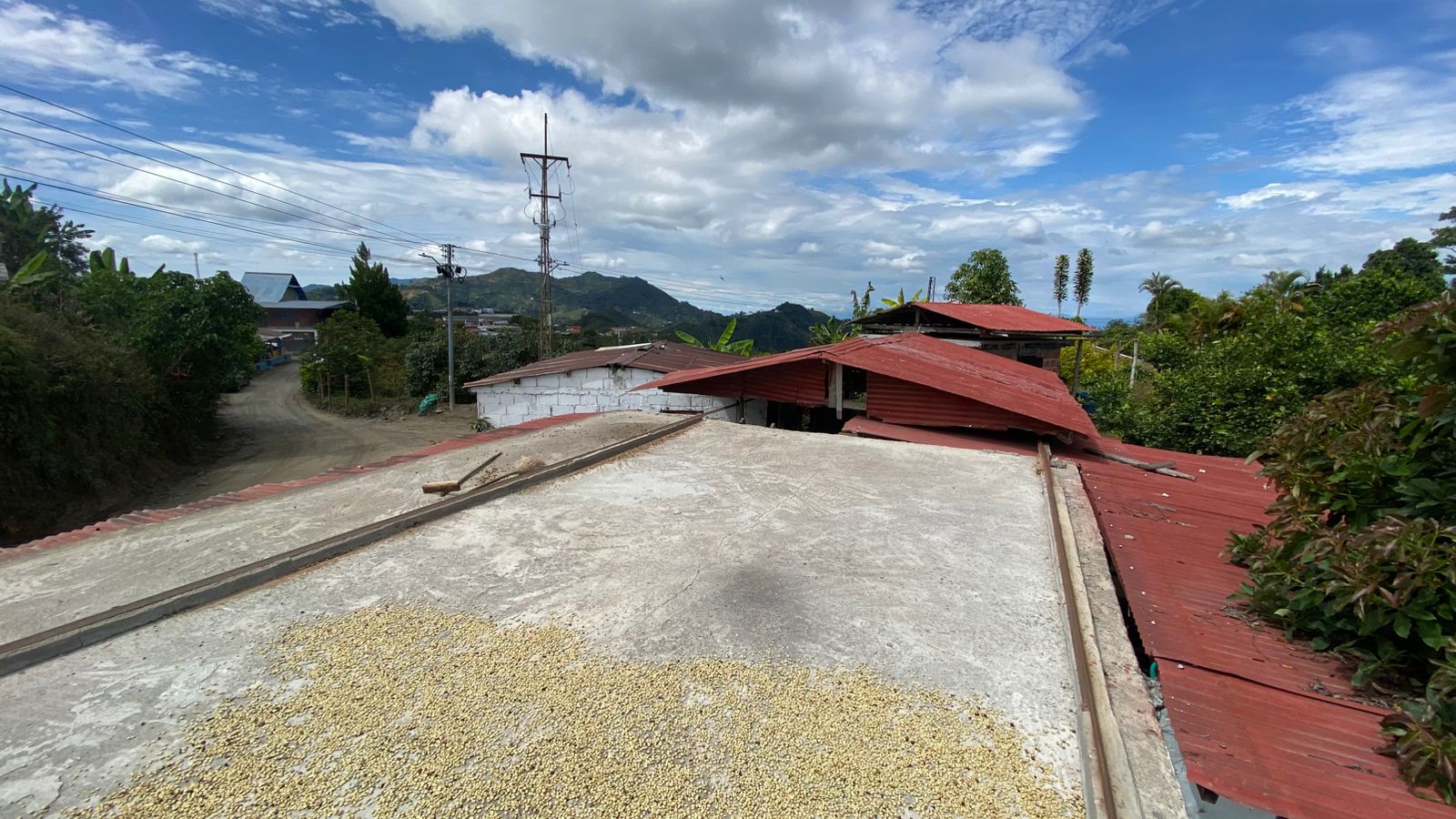
Raised drying beds (helda) used for coffee parchment in Colombia

JPDAFT / Wikimedia Commons · CC0

Honey

Honey

Skin comes off, but sticky mucilage stays on while the seed dries. Sweetness without full natural funk.

Syrupy body, brown-sugar or stone-fruit sweetness, more clarity than a natural.

After pulping, producers leave yellow, red, or black honey - names for how much mucilage remains and how long it dries in shade or sun. Costa Rica and El Salvador made the method famous; Ecuador and Colombia use it on Sidra, Pink Bourbon, and Pacamara lots. Less water than a full wash, more control than a natural. The cup sits between washed sparkle and natural jam.

The story

Ecuador sat in Colombia’s shadow until mills in Loja and family farms around Pichincha started selling named varieties instead of export filler. Sidra lots now show up in the same conversations as Panamanian Gesha - not as a copy, as a distinct honeyed rose-apricot cup. The country is still a small producer; scarcity is part of why the bag costs more.

Brew

Filter

Pour-over, light roast, 1:16. Honey Sidra can handle a slightly coarser grind so florals do not turn perfume-bitter.

How to shop for it

Look for Ecuador, Loja or Sidra, honeyed stone fruit.

On the supermarket shelf

Ecuador, Loja or Sidra, honeyed stone fruit. Read washed vs honey on the bag.

How to read a bag →

Stomach comfort

Gentler sparkle - a rounder cup for many stomachs.

Sparkle is not the same as stomach feel →

Species

arabica

Altitude

High-grown valleys - about 1,200–2,000m

Altitude

Specialty lots from Loja, Vilcabamba, and the slopes around Quito commonly sit 1,200–2,000m. Equatorial sun plus altitude gives dense seeds and a stone-fruit sweetness that is less citrus than Kenya and less jasmine than washed Yirgacheffe.

Varieties

Sidra, Typica Mejorada, Typica (when labeled)

Varieties

Sidra (a much-discussed Ecuadorian hybrid with Gesha-like florals) and Typica Mejorada are the names that made Ecuador a competition origin. Older Typica and Caturra still fill regional blends. If the bag names Sidra, brew it as filter; it is wasted as a dark espresso.

Harvest

Varies by slope; many highland lots are picked in the middle of the calendar year.

Harvest calendar

  1. J
  2. F
  3. M
  4. A
  5. M
  6. J
  7. J
  8. A
  9. S
  10. O
  11. N
  12. D

Often arriving at shops now. Southern harvest window. We cannot call a bag fresh without a roast date.

Compare with Another Origin