Coffee is Sweet
Menu
Origin Profile

Rwanda

Rwanda in the cup

A short read

Taste it on the page first: notes, landscape, process, then how to spot the bag.

For people who already brew

Terroir, farmers, altitude, and a brew that fits this origin - plus how the process shapes the cup.

The origin guide

Producer story, harvest, variety, and process detail. Empty still means we will not guess a farm we cannot name.

What it is like

A washed Bourbon cup: floral, citrus, red fruit, and brown sugar. High East African slopes, not a Kenyan blackcurrant bomb.

Volcanic highlands; smallholders delivering cherry to washing stations

What to say at the cafe

A washed Rwanda, light roast, black - floral, citrus, red fruit.

Milk and serve

  • Black

In the cup

  • floral
  • citrus
  • red fruit
  • brown sugar
  • tea-like sweetness

Medium, sweet, and lively - floral-citrus first, then brown-sugar warmth.

Sensory shape

sweetnesssparklebodyroastlayers
Relative to this catalog, not SCA scores.

Natural sweetness

Origin landscape

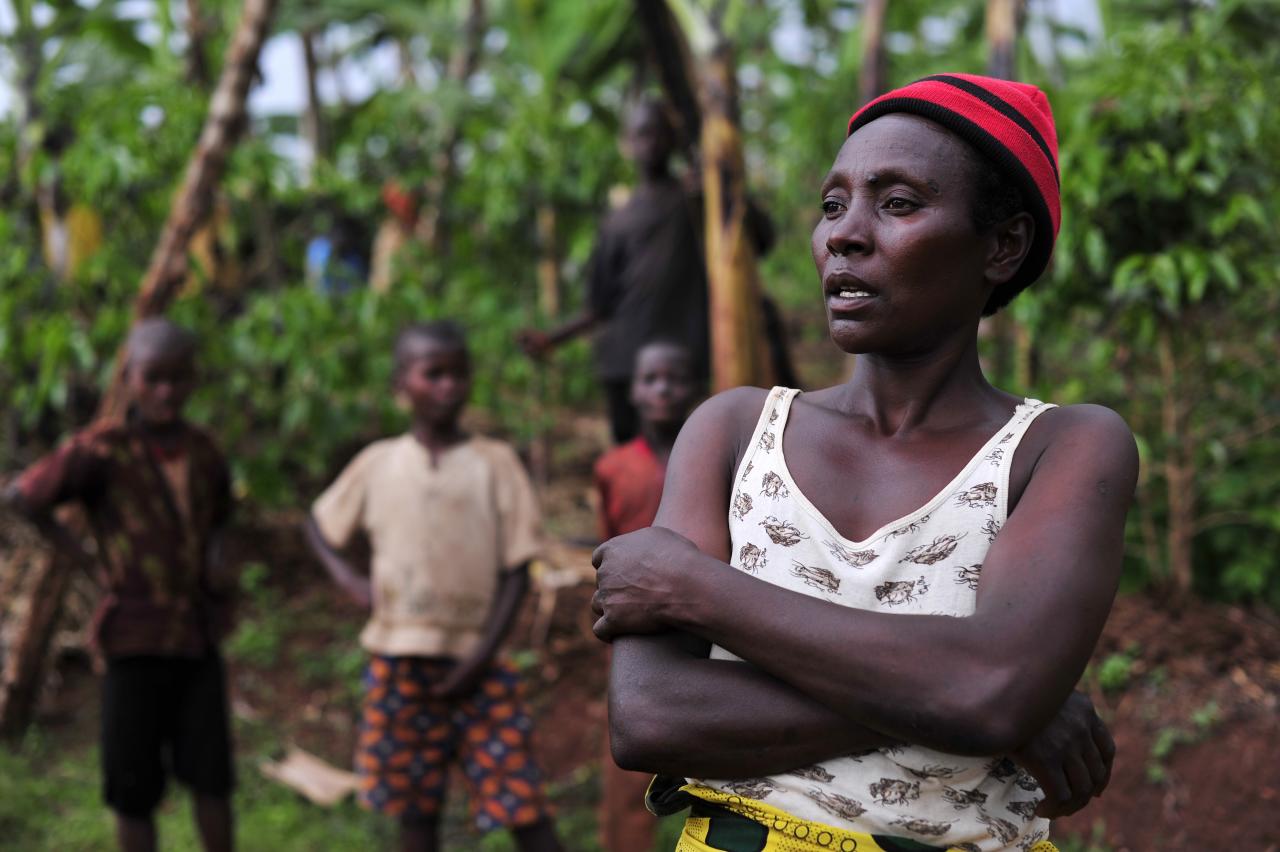
Coffee and banana intercropping on Rwandan highland slopes

Coffee and banana intercropping on Rwandan highland slopes

Neil Palmer (CIAT) / Wikimedia Commons · CC BY-SA 2.0

Volcanic highlands and garden plots rather than estate rows. Banana and coffee often share the same slope. Cool elevation plus fully washed Bourbon is the terroir: florals and citrus, a medium body, brown-sugar sweetness. It is not a wet-hulled or natural-default origin.

Farmers and harvest

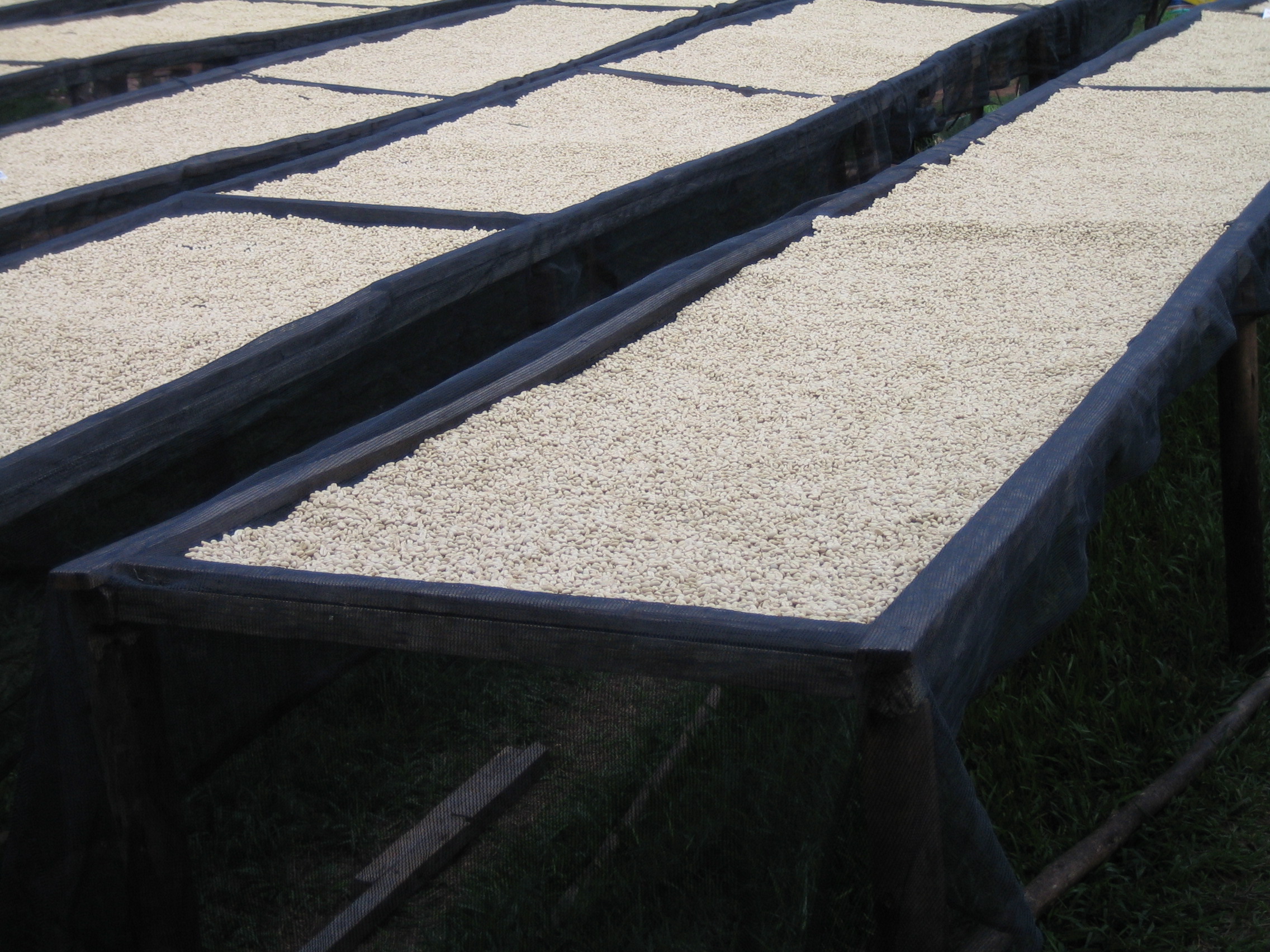
Raised drying beds for Maraba coffee in Rwanda

Raised drying beds for Maraba coffee in Rwanda

SteveRwanda / Wikimedia Commons · CC BY-SA 3.0

Who grows it

Hundreds of thousands of smallholders delivering cherry to washing stations.

Who grows it

The picture is 400,000 smallholdings, not large estates. Families pick cherry and deliver it to a washing station. The station - not a single farm name - is the producer credit on most specialty bags. That post-1994 mill network is why washed Rwanda exists as a shopper category.

Process

Specialty lots are fully washed at a washing station.

Process in detail

Cherry goes to a washing station, is pulped, fermented, washed, and dried - often on raised beds. That fully washed path is the specialty default. It is how smallholders turned garden cherry into an export grade after stations were rebuilt.

How the process shapes the cup

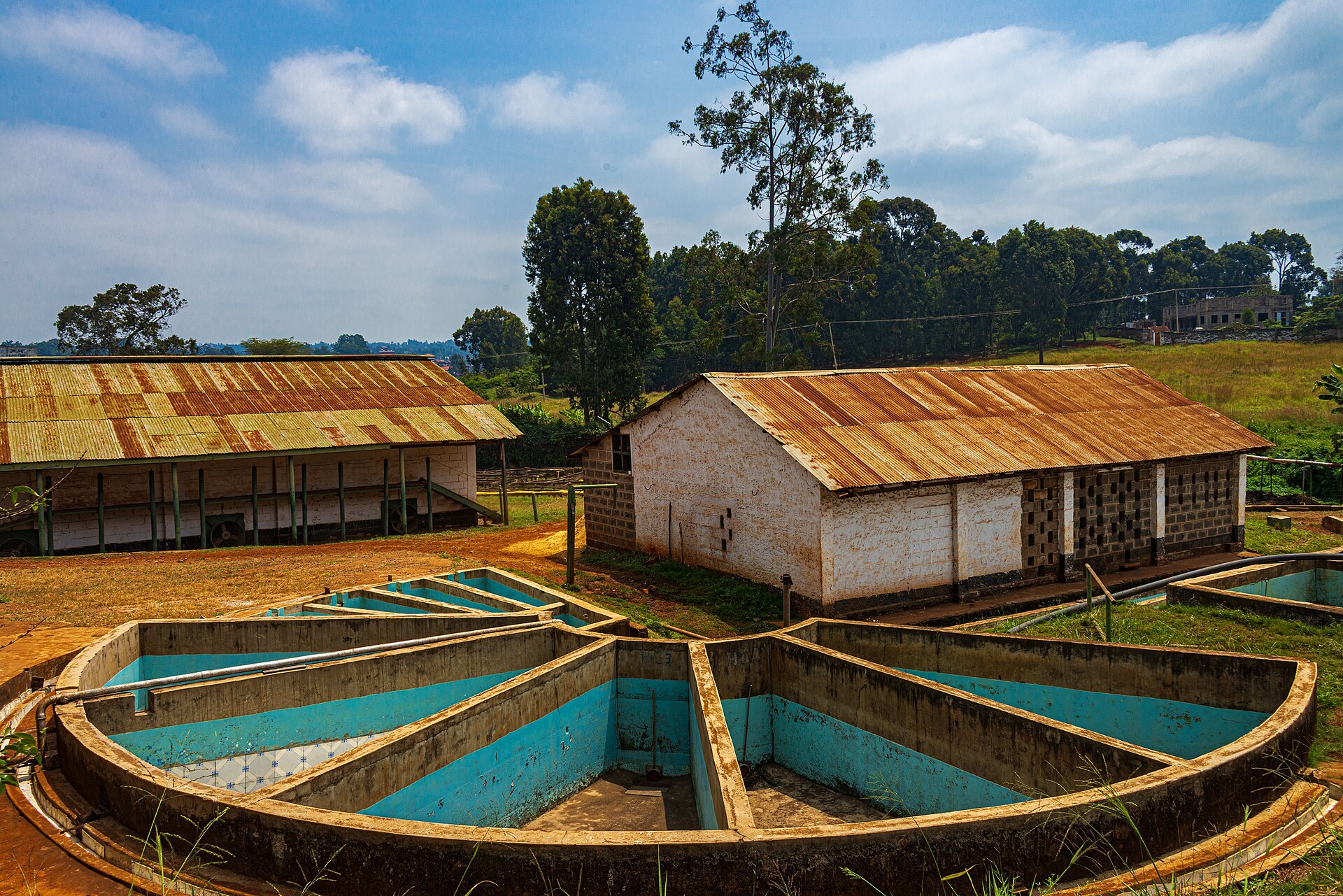
Coffee washing pits at a Kenyan estate, where mucilage is rinsed from parchment

Daniel Case / Wikimedia Commons · CC BY-SA 4.0

Washed

Washed

Skin and fruit come off soon after picking. The seed dries in parchment, so the cup stays clean and bright.

Clarity, citrus or floral sparkle, a lighter body than naturals from the same farm.

Ripe cherry is pulped within hours, then fermented in tanks or channels until the sticky mucilage lets go - often 12–36 hours, longer in cool highlands. Kenya adds a second clean-water soak after the wash. Parchment then dries on raised beds or patios to about 10–12% moisture. World Barista Championship routines treat this as the process that lets variety and altitude speak without jammy fruit from the skin.

The story

Germans introduced coffee to Rwanda in the early 1900s. After 1994, washing stations were rebuilt so smallholders could sell cherry instead of home-processed parchment. About 400,000 smallholdings grow almost all of it. The cup to shop for is fully washed Red Bourbon: floral, citrus, red fruit, brown sugar. It is East African sparkle with a gentler, honeyed edge - not Kenya’s blackcurrant punch.

Brew

Filter

Pour-over, light roast, black. Plenty of water so citrus stays sweet. Do not treat it as a Kenya AA substitute - the fruit is redder and the body is lighter.

How to shop for it

Look for Rwanda, washed, Bourbon or red fruit - floral citrus, not Kenya blackcurrant.

On the supermarket shelf

Rwanda, washed, Bourbon. Floral, citrus, and red fruit - not Kenya’s blackcurrant.

How to read a bag →

Stomach comfort

Bright sparkle. Perceived acidity is not the same as how your stomach feels.

Sparkle is not the same as stomach feel →

Species

arabica

Altitude

Highland specialty lots - typically 1,400–2,000m

Altitude

Specialty lots typically grow about 1,400–2,000m on volcanic highlands. That is a trade band, not a census of every farm. Cool nights at that height are why washed Bourbon can taste floral and citrus rather than heavy cocoa.

Varieties

Red Bourbon (when labeled)

Varieties

Rwanda is about 97% Arabica, and that Arabica is primarily Bourbon - often labeled Red Bourbon. Robusta is a small slice of national production; specialty bags you meet are Arabica. Species is not the shopper puzzle here the way it is in Uganda.

Harvest

Main harvest roughly March–July.

Harvest calendar

  1. J
  2. F
  3. M
  4. A
  5. M
  6. J
  7. J
  8. A
  9. S
  10. O
  11. N
  12. D

Often arriving at shops now. One harvest window. We cannot call a bag fresh without a roast date.

Compare with Another Origin