
Coffee is Sweet
Menu
Origin Profile

Ethiopia (natural)

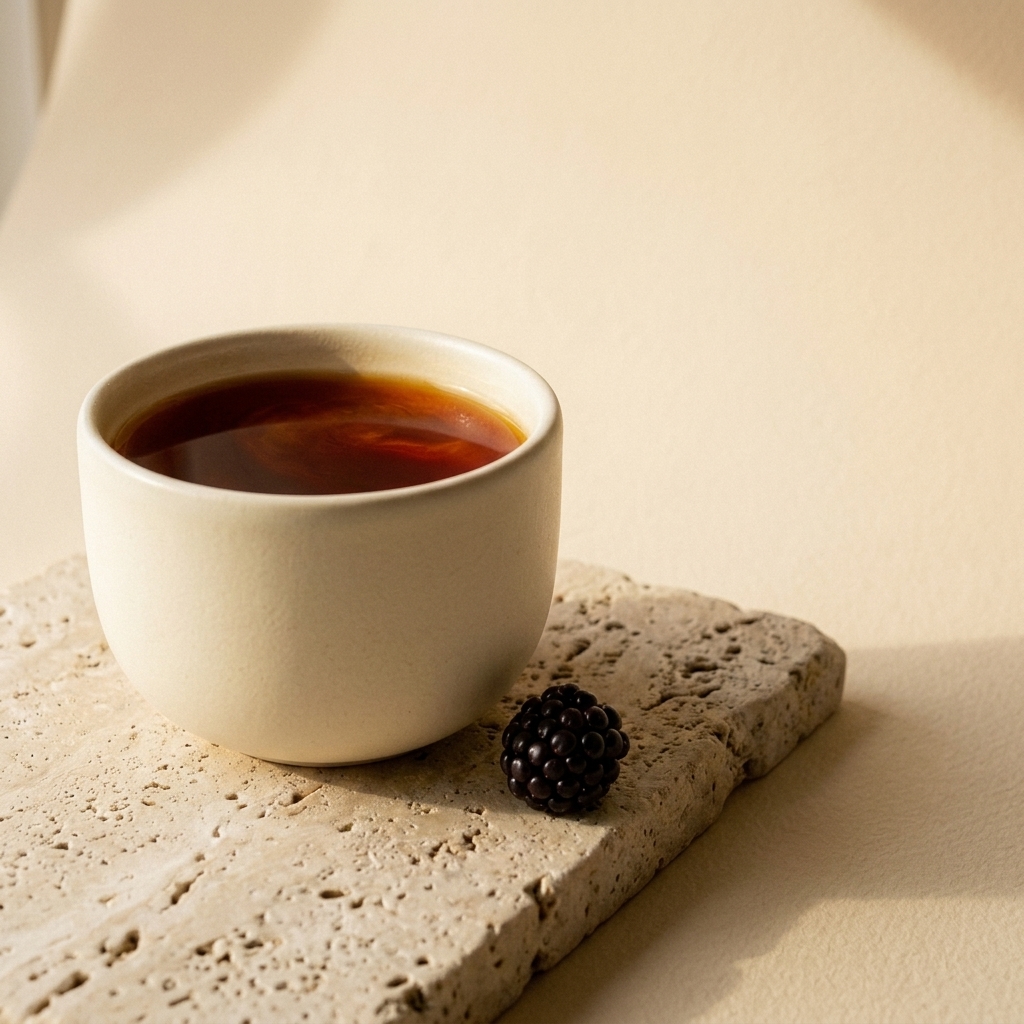
Ethiopia (natural) in the cup

A short read

Taste it on the page first: notes, landscape, process, then how to spot the bag.

For people who already brew

Terroir, farmers, altitude, and a brew that fits this origin - plus how the process shapes the cup.

The origin guide

Producer story, harvest, variety, and process detail. Empty still means we will not guess a farm we cannot name.

What it is like

A fruit-forward cup that can taste like blueberry, berry jam, or citrus candy, with a creamier body than washed Ethiopian coffees.

Sidamo, Guji, Hambela and other natural lots

What to say at the cafe

An Ethiopia natural - Guji, Sidamo, or Hambela if you have it - the blueberry or berry one, black.

Milk and serve

  • Black
  • Hot or iced

In the cup

  • blueberry
  • strawberry jam
  • citrus candy
  • cocoa husk
  • floral sweetness

Creamier and heavier than washed Yirgacheffe, still bright rather than muddy.

Sensory shape

sweetnesssparklebodyroastlayers
Relative to this catalog, not SCA scores.

Natural sweetness

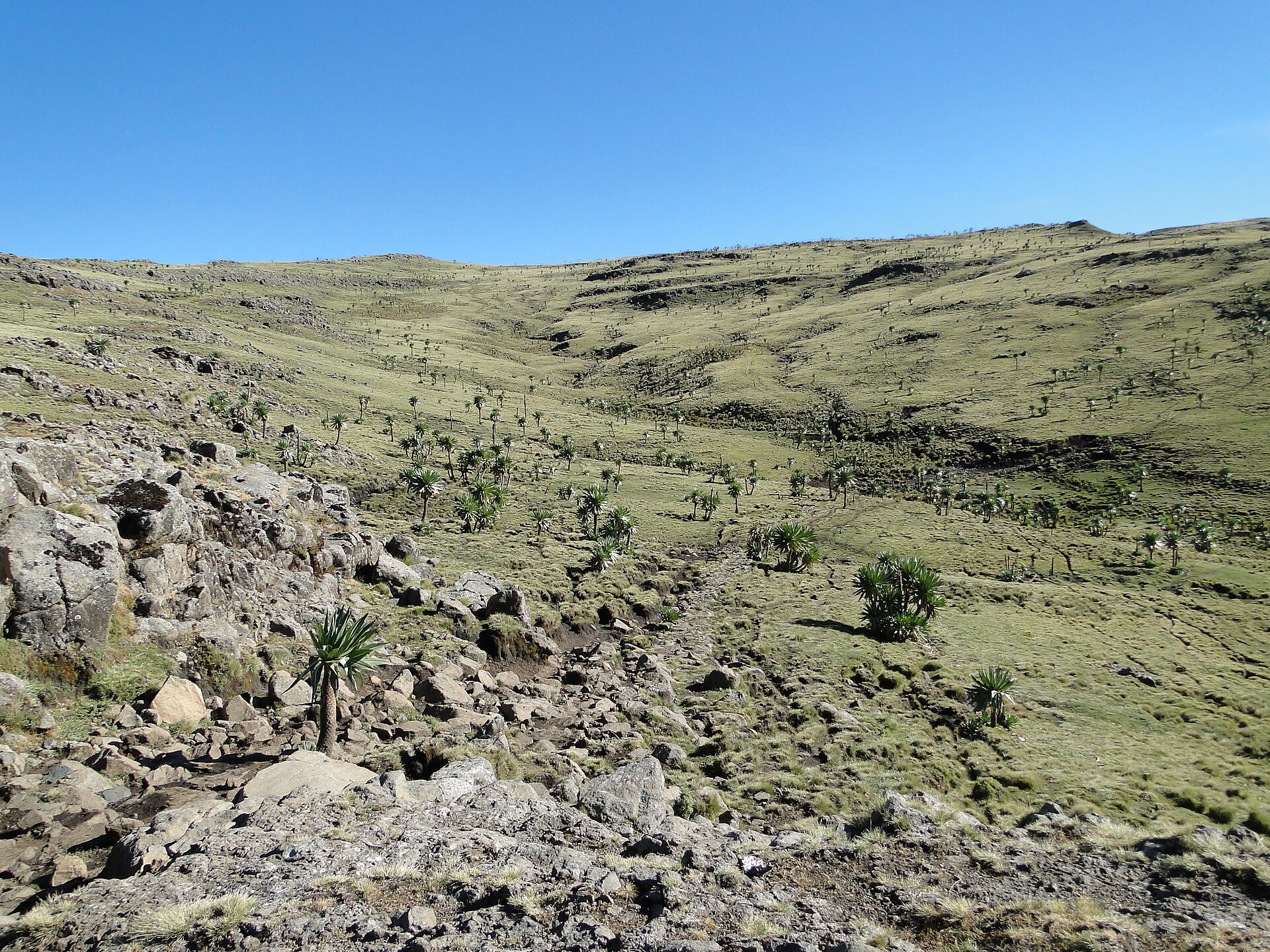
Origin landscape

High Ethiopian highland terrain - the altitude that slows cherry ripening

High Ethiopian highland terrain - the altitude that slows cherry ripening

Bernard Gagnon / Wikimedia Commons · CC BY-SA 3.0

Southern sidamo-guji highlands: forest, red soil, and enough dry days after harvest to finish a natural. Harrar in the east is the historic natural region (winey, wilder); modern specialty shoppers more often meet Guji and Hambela, which cup cleaner and more blueberry.

Farmers and harvest

An Ethiopian coffee grower among the trees

An Ethiopian coffee grower among the trees

Wikimedia Commons · CC BY-SA 3.0

Who grows it

Smallholders and drying stations in Guji, Sidamo, and Hambela.

Who grows it

Cherry is often dried at a station that buys from surrounding gardens, or on the farm on raised beds. Traceable naturals name a station (Hambela Wamena, Uraga, Shakiso) rather than a single household. The farm-life picture is picking, floating, and raking cherry for weeks - not a depulper.

Process

Natural (dried in the fruit) on raised beds.

Process in detail

Ripe cherry is sorted, then dried whole for three to four weeks on raised beds. Workers turn it so the fruit cannot clump and ferment into vinegar. Hambela and Guji naturals are the bags that cuppers describe as blueberry and strawberry; Sidamo naturals can lean citrus candy. The seed never sees a wash channel.

How the process shapes the cup

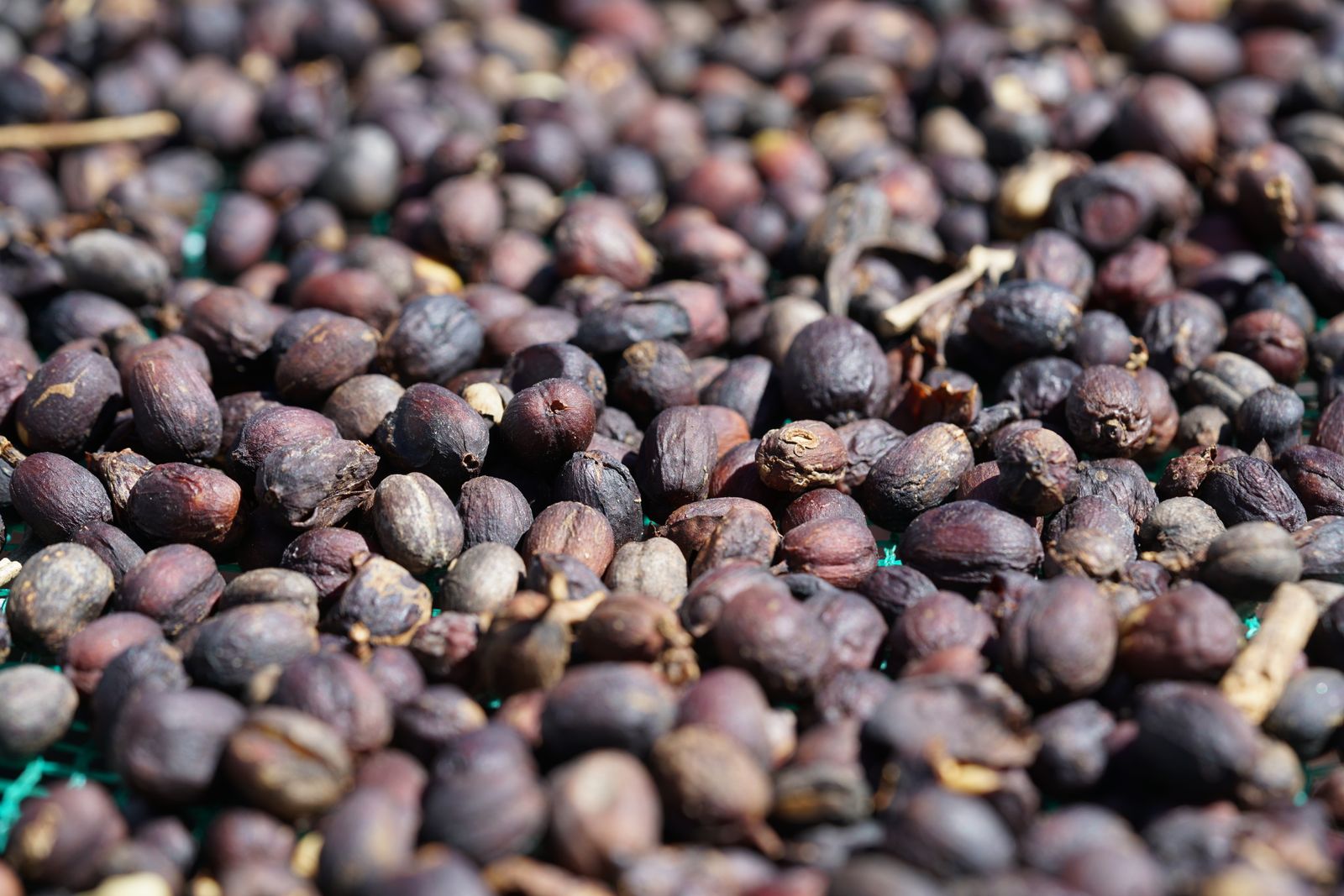
Whole coffee cherries drying on raised racks in the sun

1500m Coffee / Pexels · Pexels License

Natural

Natural

The whole cherry dries in the sun. Fruit sugars stay with the seed, so the cup is heavier and more jammy.

Berry, tropical fruit, wine-like sweetness, and a creamier body.

Sorted ripe cherries are spread on raised beds or patios and turned for two to four weeks until the fruit is raisin-dry. Airflow under African beds matters: stuck cherry ferments unevenly and tastes boozy. Brazil’s Cerrado uses patio and mechanical dryers at lower altitude; Ethiopian Guji and Hambela lots dry slower in cool highlands, which is why blueberry and strawberry show up so often on those bags.

The story

Natural processing is older than washing stations: dry the fruit, hull later. Specialty Guji and Hambela lots turned that household method into a precision craft - density sorts, raised beds, moisture meters. Importers like Sey and Onyx put these bags on menus because the cup is unapologetically fruit. If washed Ethiopia is Earl Grey, this is berry jam on the same highland tea.

Brew

Filter

Pour-over or AeroPress. Use a paper filter; a metal filter can make the fruit feel heavy. Slightly coarser than a washed Ethiopia if it tastes jammy-bitter.

How to shop for it

Look for Ethiopia natural, Guji, Sidamo or Hambela, blueberry or berry.

On the supermarket shelf

Ethiopia natural, Guji, Sidamo or Hambela, blueberry or berry. The fruit is from the cherry drying on the seed, not a flavored coffee.

How to read a bag →

Stomach comfort

Bright sparkle. Perceived acidity is not the same as how your stomach feels.

Sparkle is not the same as stomach feel →

Species

arabica

Altitude

High-grown - often 1,750–2,200m

Altitude

Guji and Hambela lots frequently grow above 1,900m. Slow drying in cool air is why the fruit stays defined instead of collapsing into generic “natural funk.”

Varieties

Landraces / heirloom (when labeled)

Varieties

Same genetic pool as washed southern Ethiopia - landraces rather than a single estate cultivar. Process, not a different species, is what turns jasmine into blueberry. If a bag names a kebele or station plus “natural,” trust that over a flavored-coffee assumption: this fruit is from the cherry drying on the seed.

Harvest

Main harvest roughly October–January; drying continues well after picking.

Harvest calendar

  1. J
  2. F
  3. M
  4. A
  5. M
  6. J
  7. J
  8. A
  9. S
  10. O
  11. N
  12. D

Northern harvest window. We cannot call a bag fresh without a roast date.

Compare with Another Origin